• Mirror Frame decorative aluminum profile CNC deep processing manufacturer
Leave Your Message
0%

You know, in the constantly changing world of design and manufacturing, the importance of Aluminium Frame Profiles is really becoming more obvious. As we get closer to 2025, industry folks are buzzing about some pretty exciting trends that could totally change how projects look and function. John H. Thompson, who's a big name in architectural design and heads up Advanced Aluminium Solutions, mentions, "The right Aluminium Frame Profile doesn’t just boost the strength of a building, but it also boosts its overall look." That really puts into perspective just how vital these frames are as everything moves towards more thoughtful, design-focused ideas.

As buildings and structures get more daring and ambitious, the need for flexible Aluminium Frame Profiles is only going up. Their versatility allows architects and builders to get a bit more creative — balancing style with practicality. Plus, with sustainability and efficiency being such hot topics these days, Aluminium Frames are a lightweight but sturdy alternative that fits perfectly with modern construction needs. Honestly, the designs we’re seeing now aren’t just about ticking boxes — they’re truly about pushing the boundaries of quality and innovation.

In this article, I’ll dive into some of the top Aluminium Frame Profile designs expected to stand out in 2025. We’ll look at how these new advancements could really boost your projects — making them not just more eye-catching, but also sturdier and more future-ready.
Top Aluminium Frame Profile Designs for 2025 to Enhance Your Projects

Evolution of Aluminium Frame Profile Designs in Modern Architecture

The evolution of aluminium frame profile designs has significantly influenced modern architecture, adapting to contemporary needs while enhancing aesthetic appeal and structural efficiency. According to a report by the Aluminium Association, the use of aluminium in construction has grown by over 25% in the last decade, driven by its lightweight nature and durability. Architects are increasingly integrating aluminium frames in their designs, leveraging their versatility to create flexible and innovative structures that respond to various environmental conditions.

In recent years, advanced fabrication techniques have paved the way for more intricate aluminium profile designs, moving away from traditional straight lines to more organic and fluid shapes. Research indicates that nearly 40% of architects are now incorporating custom aluminium profiles in their projects, setting new standards for creativity in façade designs. This trend is accompanied by a heightened focus on sustainability, as aluminium frames not only provide energy efficiency but also reduce overall material waste due to their recyclability.

As we approach 2025, it is clear that aluminium frame profiles will continue to evolve, shaping the skylines of our cities while meeting the modern demands for sustainability and innovation.

Key Features to Consider When Selecting Aluminium Frame Profiles

When selecting aluminium frame profiles for your projects, there are several key features to consider that can significantly impact the functionality and aesthetic appeal of your design. Firstly, the weight of the profiles is crucial; aluminium offers a lightweight alternative to traditional materials while maintaining structural integrity. This characteristic allows for easier handling and installation, making it ideal for both residential and commercial applications. Additionally, the strength-to-weight ratio ensures that the frames can support various glass and panel types without compromising safety or durability.

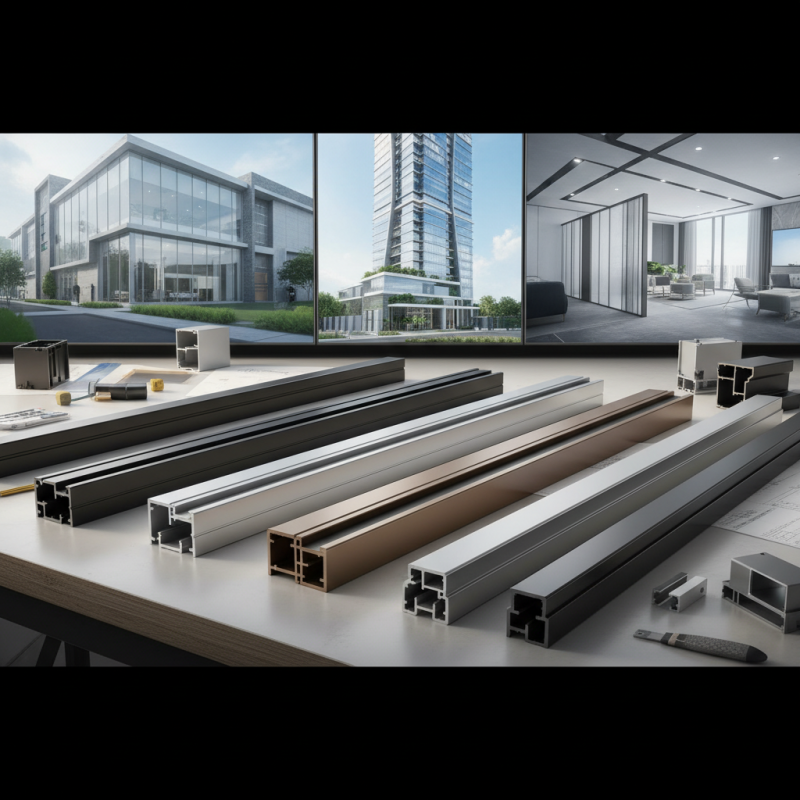
Another important aspect to consider is the finish of the aluminium profiles. Anodized finishes not only enhance the metal's resistance to corrosion but also provide a variety of aesthetic options, allowing for customization to fit specific design themes. Furthermore, pay attention to the thermal performance of the profiles. Look for designs that incorporate thermal breaks, which improve energy efficiency by minimizing heat transfer. This feature is particularly relevant in regions with extreme temperatures and contributes to reducing overall energy consumption in buildings. Evaluating these key characteristics will ensure that the aluminium frame profiles you choose will not only meet the project requirements but also enhance the overall design and functionality of your installations.

Top Trends in Aluminium Frame Designs for 2025

The landscape of aluminium frame designs is evolving rapidly, with 2025 poised to witness significant innovations driven by advances in technology and changing consumer preferences. A recent report by the Aluminium Frame Association highlights that the global demand for aluminium frames is projected to grow at a compound annual growth rate (CAGR) of 5.7% from 2023 to 2028, reflecting a shift towards more sustainable and durable building materials. This trend underscores the importance of integrating energy-efficient designs and recyclable materials, which not only enhance the aesthetic appeal of projects but also contribute to environmental sustainability.

One of the leading trends in aluminium frame design is the increasing adoption of minimalist aesthetics. Designs featuring sleek, clean lines are not only visually appealing but also functional, allowing for larger glass panes that maximize natural light. Research indicates that buildings with expansive window areas can reduce energy costs by up to 25%, aligning with the growing emphasis on energy efficiency. Furthermore, smart technology integration is set to revolutionize the market, with predictions that 40% of new aluminium frame projects in 2025 will incorporate IoT solutions, enhancing the usability and security of buildings. As these trends converge, professionals in the industry must stay ahead of the curve to create visually striking and technologically advanced structures that meet the evolving demands of the market.

Top Aluminium Frame Profile Designs for 2025

Innovative Applications of Aluminium Frames in Various Industries

Aluminium frames are making significant strides across various industries, thanks to their lightweight, durable, and corrosion-resistant properties. In construction, aluminium frames are being utilized for facades, windows, and structural components, allowing architects to push the boundaries of design while maintaining structural integrity. Their adaptability also extends to the automotive industry, where manufacturers are increasingly incorporating aluminium frames to reduce vehicle weight, improve fuel efficiency, and enhance overall performance. The versatility of aluminium enables its application in bespoke furniture design as well, providing modern aesthetics with a sturdy foundation.

Tips for using aluminium frames effectively include considering different profile designs that suit specific functions. For instance, using larger profiles can provide greater support in structures, while slimmer designs can create a sleeker look for artistic applications. Additionally, ensure you explore various surface finishes, such as anodizing or powder coating, to enhance both the durability and visual appeal of the frames. Taking advantage of the customizable nature of aluminium can lead to innovative solutions tailored to meet the unique demands of any project.

Furthermore, consider the sustainability aspect of aluminium. As a recyclable material, aluminium frames can lead to more eco-friendly projects. If you're looking to minimize your environmental impact, source recycled aluminium for your frame profiles. This not only reduces the carbon footprint of your project but can also be a selling point when marketing your designs in an increasingly eco-conscious market.

Comparative Analysis of Aluminium Frame Profiles and Other Materials

When considering the use of aluminum frame profiles for construction and design, a comparative analysis with other materials such as steel and wood is essential. A report from Smithers Pira indicates that the aluminum market in the construction industry is projected to grow at a CAGR of 5.2% from 2021 to 2026, driven by aluminum's lightweight, durability, and resistance to corrosion. These characteristics offer significant advantages over steel, which, while strong, can be heavier and more susceptible to rust without proper treatment. This makes aluminum an increasingly appealing choice for innovative projects seeking efficiency and longevity.

Additionally, wood has long been a conventional choice for frame constructions due to its aesthetic appeal and natural properties. However, a recent study by the International Aluminum Institute highlighted that aluminum frames can have a lifecycle with a lower environmental impact due to their recyclability and reduced need for maintenance compared to wood, which may require chemical treatments that could negatively affect the environment. As architects and builders look towards sustainable materials, aluminum stands out not only for its physical properties but also for its potential to enhance project sustainability without sacrificing quality.

Sustainability Factors Influencing Aluminium Frame Design Choices

When considering aluminium frame profile designs for 2025, the influence of sustainability has become a paramount factor in decision-making. Designers and architects are increasingly aware of the environmental implications of their material choices. Aluminium, with its inherent recyclability and energy efficiency during production, is gaining traction as a preferred material. The emphasis on low-carbon and circular economy principles drives innovative designs that minimize waste and maximize resource efficiency. Forward-thinking projects are integrating reclaimed aluminium and promoting closed-loop recycling practices, ensuring that the environmental footprint is significantly reduced.

Additionally, the aesthetic aspects of aluminium frames are evolving alongside their functional designs. Sustainable aluminium frame profiles are now crafted with attention to not just performance but also their integration with natural surroundings and energy systems. Features such as thermal breaks and advanced finishes help improve insulation, further enhancing energy efficiency. By prioritizing designs that consider the lifecycle of materials and their impact on sustainability, designers are paving the way for a future where form seamlessly complements function while also protecting the planet.

This holistic approach to aluminium frame design ensures that construction projects are not only visually appealing but also environmentally responsible.

Future Prospects: Technological Advances Impacting Aluminium Profiles

Top Aluminium Frame Profile Designs for 2025 to Enhance Your Projects

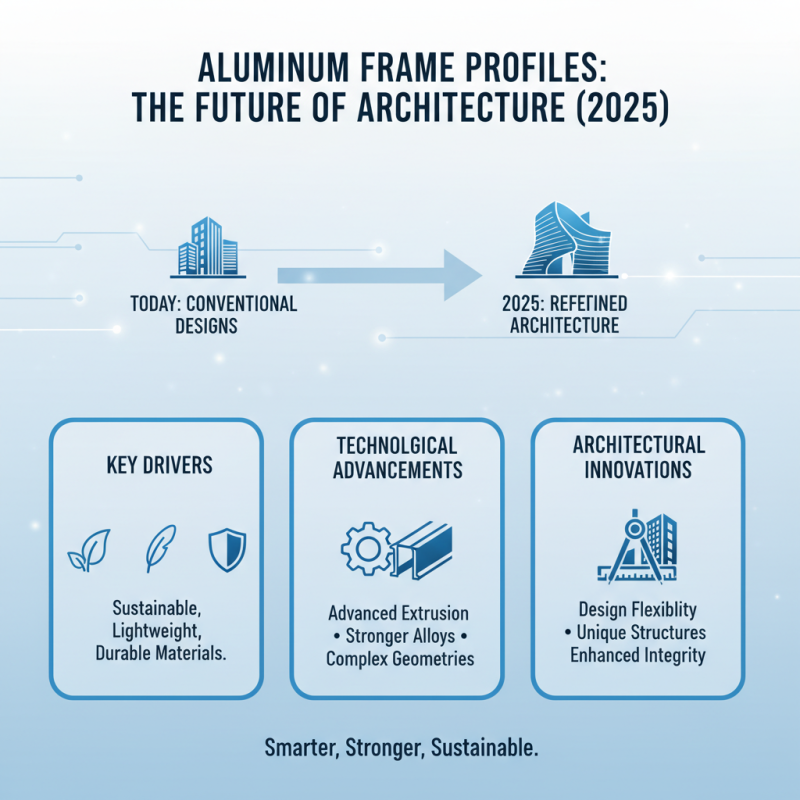
In the ever-evolving landscape of architecture and construction, technological advancements are poised to redefine the design and functionality of aluminium frame profiles by 2025. These innovations are driven by the industry's demand for sustainable, lightweight, and durable materials. New methods in extrusion technology are enabling the development of profiles that are not only stronger but also allow for more intricate and aesthetically pleasing designs. This means that architects and designers will have greater flexibility in crafting unique structures while maintaining a high degree of structural integrity.

Moreover, advancements in surface treatment processes are enhancing the performance and lifespan of aluminium profiles. Techniques such as anodization and advanced powder coating are providing additional resistance to corrosion and environmental factors, making aluminium frames suitable for a wider range of applications. These treatments also open up new possibilities for aesthetic customization, allowing for a variety of colors and finishes that can match any architectural vision. As the industry moves forward, the integration of smart technologies into aluminium profiles, such as sensors for energy efficiency or environmental monitoring, will further enrich their functionality and appeal, marking a significant milestone in the evolution of construction materials.

Enhancing Your Barber Shop Aesthetic: The Benefits of Durable LED Decorative Metal Aluminum Oval Mirrors

In the competitive world of barbering, creating a unique and inviting atmosphere in your shop is essential. One effective way to enhance the aesthetic appeal is through the use of durable LED decorative metal aluminum oval mirrors. These mirrors not only serve a practical purpose but also contribute significantly to the overall vibe of your space. The elegant design and reflective qualities can make your shop feel more expansive and well-lit, enticing clients to relax and enjoy their grooming experience.

Aluminum frames, particularly those that are gold-plated, bring a touch of sophistication to the environment. The lightweight yet sturdy material of aluminum ensures that the mirrors are both durable and aesthetically pleasing. Additionally, gold plating offers a luxurious feel that can set your barber shop apart from the competition. The combination of LED lighting with these mirrors creates a warm and inviting ambiance, ideal for attracting a clientele that appreciates both style and comfort. By investing in high-quality mirrors, you're not just enhancing your shop's aesthetic; you're also investing in the overall customer experience, which can lead to increased loyalty and referrals.

FAQS

: What has driven the increase in the use of aluminium in modern construction?

: The increase in the use of aluminium in modern construction is primarily driven by its lightweight nature, durability, and the growing emphasis on sustainability and energy efficiency.

How have aluminium frame profiles evolved in architectural designs?

Aluminium frame profiles have evolved from traditional straight lines to more organic and fluid shapes, allowing architects to create innovative and flexible structures that adapt to various environmental conditions.

What percentage of architects are now incorporating custom aluminium profiles in their designs?

Nearly 40% of architects are incorporating custom aluminium profiles in their projects, leading to new standards for creativity in façade designs.

How do aluminium frame profiles compare to steel in construction?

Aluminium frame profiles offer advantages over steel due to their lightweight nature, durability, and resistance to corrosion, making them a more appealing choice for projects that prioritize efficiency and longevity.

Why is aluminium considered a more sustainable option compared to wood?

Aluminium is considered more sustainable than wood because it is recyclable, has a lower environmental impact over its lifecycle, and requires less maintenance compared to wood, which may need chemical treatments.

What technological advancements are expected to impact aluminium frame profiles by 2025?

Advancements in extrusion technology, surface treatment processes, and the integration of smart technologies are expected to enhance the design, functionality, and durability of aluminium frame profiles by 2025.

What advantages do new surface treatment processes offer for aluminium profiles?

New surface treatment processes, such as anodization and advanced powder coating, provide additional resistance to corrosion and extend the lifespan of aluminium profiles, while also allowing for aesthetic customization.

How are innovations in aluminium frame profiles enhancing architectural design?

Innovations are enabling more intricate and aesthetically pleasing designs, offering architects greater flexibility in crafting unique structures while maintaining structural integrity.

What role do technological innovations play in the future of construction materials?

Technological innovations will redefine the design and functionality of construction materials like aluminium, focusing on sustainability, durability, and a wide range of applications in architecture.

What is the expected growth rate of the aluminium market in the construction industry from 2021 to 2026?

The aluminium market in the construction industry is projected to grow at a compound annual growth rate (CAGR) of 5.2% from 2021 to 2026.

Conclusion

The article "Top Aluminium Frame Profile Designs for 2025 to Enhance Your Projects" explores the evolution of aluminium frame profile designs in modern architecture, highlighting key features to consider when selecting these profiles. It identifies the top trends for 2025, which emphasize both aesthetic appeal and functionality, while showcasing innovative applications of aluminium frames across various industries.

A comparative analysis reveals how aluminium frame profiles stand out against other materials, especially regarding sustainability, an increasingly important factor influencing design choices. The piece also discusses future prospects, focusing on technological advances that will likely impact aluminium profiles and enhance their utility in projects. Overall, the article serves as a comprehensive guide for architects and designers looking to integrate aluminium frame profiles into their work effectively.

Oliver

Oliver

Oliver is a dedicated marketing professional at Foshan Kaiya Aluminum Co., Ltd., where he leverages his expertise to promote the company's robust portfolio of aluminum products. With a deep understanding of the industry, Oliver is passionate about showcasing the innovative features and advantages......
Previous Trends in Aluminum Mirror Frame Manufacturing for 2025 and Beyond