Hey, have you ever heard of aluminium extrusion? It’s actually a pretty key player in shaping today’s industries. I read somewhere that Dr. John Smith, one of the top experts in this field, mentioned that "the ways Aluminium Extrusion is used are pretty much endless — from cars to building materials." Basically, this process lets manufacturers craft really intricate shapes efficiently and with a lot of precision.
Nowadays, with stiff competition everywhere, lightweight materials are more important than ever. Aluminium extrusion doesn’t just cut down the weight of products; it also makes them more durable. Plus, since people are increasingly looking for eco-friendly options, aluminium really stands out because it’s recyclable and energy-efficient, fitting nicely with sustainable initiatives. But, fair warning: the high-quality extrusion processes can get pretty pricey, especially for smaller businesses.
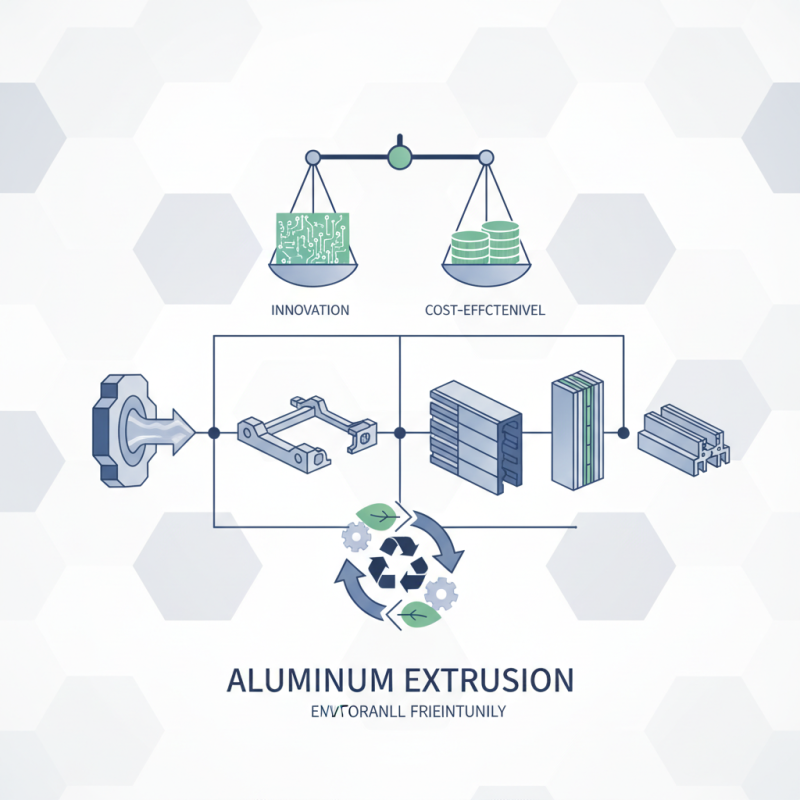
As industries keep evolving, the need for new and better aluminium solutions is only growing. Experts are developing new tech that’s changing how things are made, which is pretty exciting. That said, there’s always a tricky balance to strike — how do we innovate without breaking the bank? Looking ahead, the future of aluminium extrusion is all about merging design and function even more tightly, pushing boundaries, and opening up all kinds of new possibilities.
The Basics of Aluminium Extrusion: Definition and Process Overview
Aluminium extrusion is a process that shapes aluminium into specific cross-sectional profiles. It involves forcing heated aluminium through a die. This technique is crucial for many industries, particularly in construction and automotive manufacturing. A recent report by the Aluminium Association highlights that extrusion accounts for around 50% of aluminium used in various applications.
The benefits of aluminium extrusion are clear. It allows for lightweight designs while maintaining structural integrity. For instance, extrusion can create complex shapes that traditional methods cannot achieve. These shapes can be tailored for specific applications, enhancing efficiency. However, the process has its challenges. Controlling quality during extrusion is essential. Even minor defects can lead to significant issues down the line, impacting product lifespan and performance.
In terms of market impact, aluminium extrusion is growing rapidly. The global market is expected to reach approximately $60 billion by 2027, according to industry forecasts. This growth reflects increased demand in sectors such as energy, transportation, and consumer goods. As industries evolve, the role of aluminium extrusion remains pivotal. However, ensuring sustainability and minimizing waste during the production process is a pressing concern.
Key Benefits of Aluminium Extrusion in Various Industries
Aluminium extrusion plays a vital role in modern industries. It offers numerous advantages across various sectors. Lightweight yet durable, aluminium components can reduce energy consumption by up to 20% in transportation applications. This reduction in weight translates to lower fuel costs and improved efficiency.
In the construction industry, aluminium's corrosion resistance significantly increases the lifespan of structures. Reports show that using aluminium extrusion can enhance building energy efficiency by 30%. This improvement arises from better thermal performance and insulation. Architects increasingly favor aluminium for its versatility, allowing intricate designs without compromising strength.
Tip: Consider using aluminium extrusions for design flexibility. They can be customized to meet specific project needs.
Another notable benefit is in manufacturing. Aluminium's excellent machinability allows for high precision in parts production. Various industries report reduced waste, with some achieving up to 50% less material loss during fabrication. However, the reliance on aluminium can also raise concerns about environmental sustainability. Extracting and processing aluminium requires significant energy, prompting the industry to seek greener solutions.
Tip: Always evaluate the sourcing of aluminium. Opt for recycled materials when possible.
Applications of Aluminium Extrusion in Automotive Manufacturing
Aluminium extrusion plays a crucial role in automotive manufacturing. This process allows for the creation of complex shapes with precise dimensions. For example, car frames made from extruded aluminium offer strength without heavy weight. This lightness contributes to improved fuel efficiency. Moreover, the design flexibility in extrusion allows manufacturers to create components tailored for specific models.
Innovative applications are emerging in this field. Door frames, dashboards, and even heat exchangers are commonly produced using aluminium extrusion. These components benefit from excellent corrosion resistance and thermal conductivity. However, challenges exist. The extrusion process can sometimes lead to defects. Imperfections in the extrusion can affect the part's integrity. Manufacturers must pay close attention to quality control to mitigate these issues.
The integration of aluminium in electric vehicles is gaining momentum. Lightweight components help offset battery weight, enhancing overall performance. However, as demand increases, so do concerns about sourcing materials sustainably. The automotive industry faces pressure to ensure that all aluminium is recycled. Finding a balance between innovation and sustainability remains a challenge for the future.
The Role of Aluminium Extrusion in Construction and Architecture
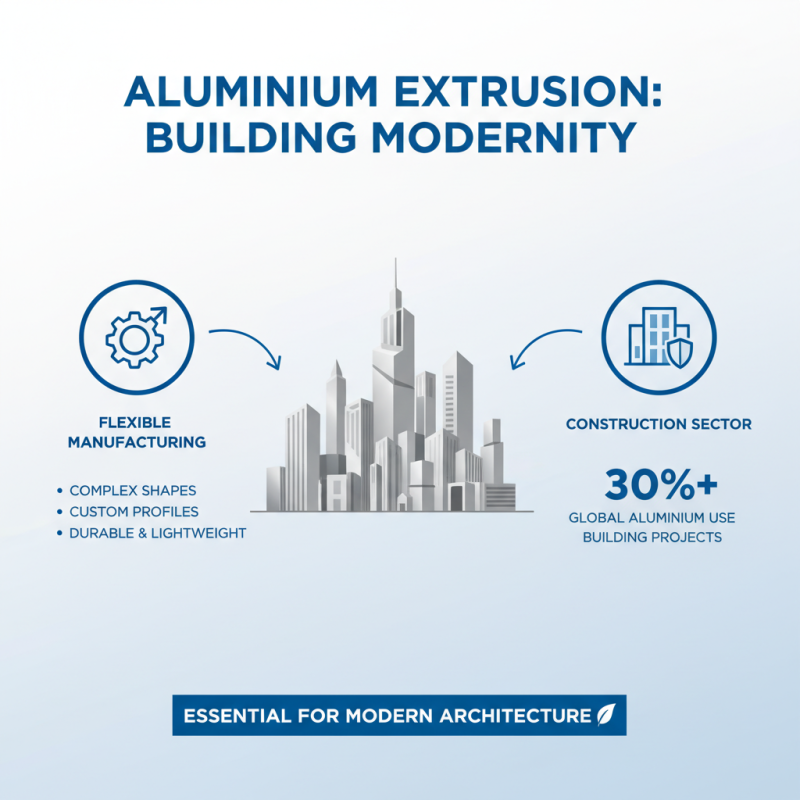
Aluminium extrusion plays a vital role in modern construction and architecture. It is a flexible manufacturing process that produces complex shapes for various applications. According to a report by the Aluminium Association, the construction sector accounts for over 30% of total aluminium usage worldwide. This indicates the material's significant presence in building projects.
Aluminium Extrusion Profiles are preferred for their lightweight and durable characteristics. Architects and builders appreciate these features. For instance, barrier systems made from extruded aluminium can withstand harsh weather conditions. However, achieving optimal performance often requires careful engineering and design. Some structures have faced issues with material fatigue over time, leading to potential safety concerns.
Sustainability is another crucial aspect. Approximately 75% of aluminium produced is still in use today. Recycled aluminium reduces energy consumption by 95% compared to primary production. Yet, the architecture field still faces challenges in improving recycling processes, which can hinder waste reduction efforts. The potential for innovative designs using aluminium extrusion is immense, but further research is necessary to tackle these issues.
Sustainability and Recycling in Aluminium Extrusion Practices
Aluminium extrusion has gained significant attention in modern industries, particularly due to its sustainability practices. The recycling rate for aluminium is impressive, standing close to 75% globally. This number highlights a trend towards more sustainable manufacturing processes. Extracting aluminium from ore is energy-intensive. Recycling uses only about 5% of the energy required for initial production.
Many industries now prefer aluminium extrusion over other materials. Extrusion Aluminium Profiles are favorable because they are lightweight, durable, and resistant to corrosion. However, despite the advantages, the manufacturing process still poses challenges. The carbon footprint associated with primary aluminium production remains high. Efforts are needed to enhance the use of recycled materials in extrusion processes.
Recent reports indicate that integrating recycled aluminium into the production process can reduce greenhouse gas emissions by approximately 92%. This statistic demonstrates the potential for significant environmental benefits. Nonetheless, many companies struggle to source sufficient recycled feedstock. This raises questions about the balance between growth and sustainability. Taking steps towards a circular economy is crucial for future progress.
Innovations and Advancements in Aluminium Extrusion Techniques
Aluminium extrusion is essential for modern industries due to its versatility and efficiency. Recent advancements have revolutionized the techniques used in this process. For example, 2022 reports indicate the global aluminium extrusion market reached approximately $70 billion. Innovations like 3D printing integration have reduced production time significantly. This allows for more complex designs, catering to various industries, from automotive to construction.
Tips: Always consider energy efficiency in your extrusion process. Reducing energy consumption can lead to substantial cost savings.
However, challenges remain. The quality of extrusion often depends on the alloy used. Not all suppliers meet the required standards. It’s crucial to select trustworthy suppliers for an Aluminium Extrusion Frame System. Regular audits can help maintain quality assurance. Technological advancements must also address sustainability. It’s vital to innovate while being environmentally responsible.
Challenges and Future Trends in the Aluminium Extrusion Market
The aluminium extrusion market faces various challenges as it evolves. High energy costs are a significant concern. From 2020 to 2023, the global market experienced a 25% rise in energy prices, impacting production costs. Manufacturers must find ways to optimize energy use without sacrificing quality. This has become vital for staying competitive in the Aluminium Profile 2020 Extrusion Frame sector. Some companies are investing in energy-efficient technologies. Yet, the transition can be slow and costly.
Sustainability trends are also shaping the future of aluminium extrusion. The demand for recycled aluminium is climbing. In 2022, nearly 75% of all aluminium produced came from recycled sources. This shift offers opportunities but presents challenges in maintaining material quality. Ensuring consistent performance from recycled materials requires careful monitoring.
Market analysts predict rapid growth in the automotive and construction sectors. As industries push for lightweight and robust materials, aluminium extrusion is poised to benefit. However, businesses must adapt their production processes to meet these new demands. The road ahead may be complex, with evolving regulations and consumer expectations. Embracing innovation will be crucial for staying relevant.
FAQS
: The global recycling rate for aluminium is approximately 75%.
Aluminium is lightweight, durable, and resistant to corrosion, making it a popular choice.
Recycling aluminium requires only about 5% of the energy needed for initial production.
Integrating recycled aluminium can reduce greenhouse gas emissions by around 92%.
Many struggle to source enough recycled feedstock for their production needs.
Innovations like 3D printing have significantly reduced production times and enabled complex designs.
The quality often depends on the alloy used and the reliability of suppliers.
Reducing energy consumption can lead to substantial cost savings in production.
Regular audits help ensure that suppliers meet required standards and maintain quality assurance.
Companies need to consider both aspects while moving toward a circular economy.
Conclusion
Aluminium extrusion is a vital manufacturing process that shapes aluminium into a variety of profiles and components, offering significant benefits across multiple industries. Its key advantages include lightweight yet strong materials, design flexibility, and cost-effectiveness, making it essential in sectors like automotive and construction. In automotive manufacturing, for instance, aluminium extrusions contribute to fuel efficiency and performance, while in construction, they provide aesthetic and structural solutions.
Moreover, aluminium extrusion practices prioritize sustainability, incorporating recycling processes that reduce environmental impact. Innovations in extrusion techniques continue to evolve, addressing challenges such as market competition and technological advancements. As modern industries increasingly adopt aluminium extrusion, it is clear that this versatile process will play a crucial role in shaping future manufacturing trends.