Picking the right Aluminium Extrusion Profile really matters when you're working on any project. As John Smith from AluTech, a real industry pro, puts it, "The right profile can seriously boost both how well it works and how good it looks." Basically, the profile you choose impacts everything from how sturdy it is to how attractive it appears.
Honestly, diving into all the different Aluminium Extrusion Profiles can feel pretty overwhelming. There are so many things to consider—weight, strength, finish—you name it. Good quality profiles tend to last longer and perform better, but going for the cheapest option might really hurt your project's performance in the long run. Each choice has to match what your project really needs and your budget as well.
It's worth taking some time to think through your decision. Sometimes, going for the least expensive option isn’t really the smartest move. As designers and engineers, we need to weigh the long-term benefits against upfront costs. At the end of the day, choosing the right Aluminium Extrusion Profile is what makes a project succeed—both in how it works and how it looks.
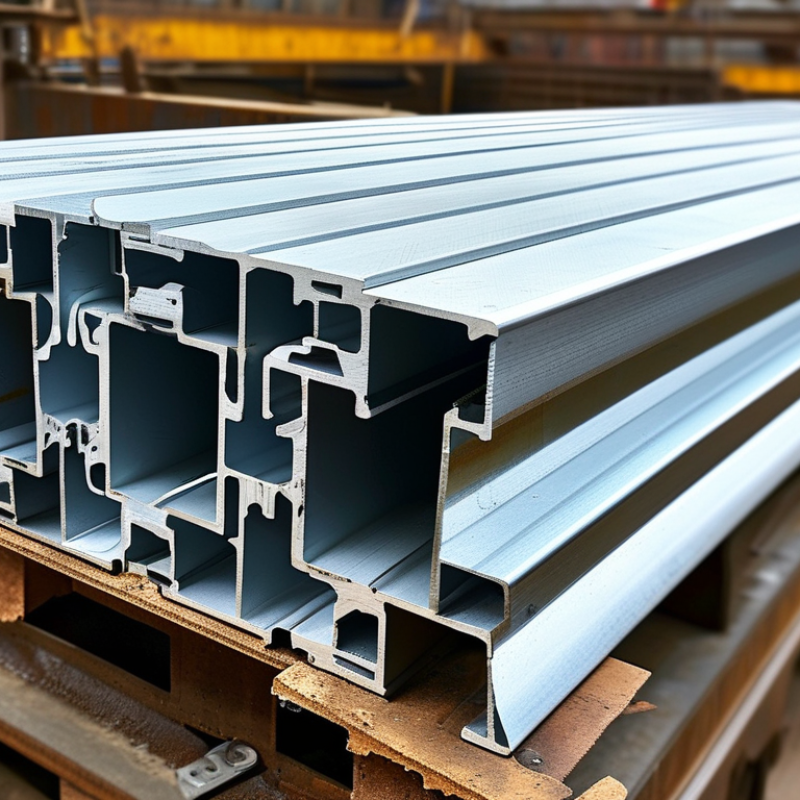
Understanding Aluminium Extrusion: A Brief Overview of the Process
Aluminium extrusion is a versatile process used in various industries. Understanding this process is crucial for making informed decisions. It starts with heating an aluminium billet. The heated metal is then forced through a die to create the desired profile. This technique allows for a wide range of shapes and sizes. However, not every shape is suitable for all applications.
When choosing an aluminium extrusion profile, consider the specific requirements of your project. Factors like strength, weight, and corrosion resistance come into play. It’s essential to analyze the load-bearing needs and environmental factors. Sometimes, a profile that seems perfect might not perform well under stress or harsh conditions. Reflecting on design needs while balancing aesthetics can also be challenging.
While aluminium extrusion offers flexibility, it has limitations. Some intricate shapes require more processing time, leading to higher costs. Understanding these nuances helps in selecting the right profile for your application. The right choice can make a difference in performance and durability.
Identifying Key Applications for Aluminium Extrusion Profiles in Industry
Aluminium extrusion profiles play a crucial role in various industries. These profiles can be found in construction, automotive, and aerospace applications. According to a recent industry report, the global aluminium extrusion market is expected to reach $50 billion by 2026. This growth highlights the increasing demand for reliable and versatile materials.
When selecting the right aluminium extrusion profile, it’s vital to understand the specific application. In construction, profiles provide structural support and aesthetic appeal. In automotive manufacturing, they contribute to weight reduction and fuel efficiency. A 2022 study indicated that lightweight materials can improve fuel efficiency by up to 30%. However, companies often overlook the importance of customization in these profiles.
Each application has unique requirements, influencing the profile design. Some industries may need higher strength or resistance to corrosion. For instance, profiles used in marine applications must withstand harsh environments. Yet, balancing these factors can be challenging. It's essential to prioritize not only performance but also long-term sustainability. In some cases, using standard profiles may not yield the desired results. Key decisions should be informed by industry knowledge and expert guidance in Extrusion Aluminium Profile selection.
Factors Influencing the Selection of Aluminium Extrusion Profiles
Choosing the right aluminium extrusion profile can significantly impact the durability and functionality of your project. Several factors influence this decision. Firstly, consider the profile's intended application. Different projects demand specific strengths and shapes. According to a 2021 market report, structural profiles account for 40% of the aluminium extrusion market, underlining their importance in construction.
Material specifications also play a crucial role. The alloy composition determines the profile's resistance to corrosion and its ability to withstand stress. A well-chosen aluminium profile can enhance both performance and longevity. On average, using the right aluminium alloy can extend a structure's lifespan by 20%.
**Tip:** Always assess the environmental conditions where the extrusion will be used. This includes exposure to moisture and temperature fluctuations.
Cost considerations are important too. While some profiles may appear cheaper initially, they could lead to higher maintenance costs. Remember that an investment in quality often leads to savings over time. In fact, 30% of businesses reported reduced overhead when selecting high-quality materials like the Aluminium Profile 2020 Extrusion Frame.
**Tip:** Conduct a lifecycle analysis when selecting profiles. This can uncover long-term cost savings you may not initially see.
Reflect on these factors carefully. The right choice can lead to better project outcomes and increased satisfaction.
Factors Influencing the Selection of Aluminium Extrusion Profiles
Comparative Analysis of Different Aluminium Alloys for Extrusion Use
Choosing the right aluminium alloy for extrusion is essential. Different alloys offer varying strengths and properties. Alloys like 6061 and 6063 are popular for extrusion. They both provide good corrosion resistance and machinability. However, their mechanical properties differ significantly.
6061 aluminium is known for its strength. It is ideal for structural applications. The versatility of this alloy allows for multiple fabrication methods. On the other hand, 6063 is softer, making it easier to shape. It is often used for architectural applications. The choice between these alloys reflects specific project needs.
The experience of an Aluminium Extrusion Profile Factory plays a vital role. Knowledgeable manufacturers can guide you through the selection process. Ultimately, selecting the right alloy leads to better results. However, not all choices are perfect. Sometimes, a selected alloy may not perform as expected. These reflections help in future project improvements.
Evaluating Tolerance and Surface Finish Requirements in Profiles
When selecting an aluminium extrusion profile, it’s essential to assess tolerance and surface finish requirements. Tolerance refers to the allowable deviation from a specified dimension. Tight tolerances can indicate higher manufacturing precision. These details often dictate the profile’s performance, especially in demanding applications.
Surface finish is equally important. Different finishes can alter appearance and performance. Anodized finishes provide durability and corrosion resistance. However, they might not always be suitable for every application. It’s helpful to consider the end-use of the profile. Will it be exposed to elements? That could influence your finish choice.
Tips: Always consult with an experienced team from your selected Extrusion Aluminium Profile Factory. They can provide insights based on industry standards. Don’t hesitate to request prototypes to evaluate how the profile meets your specifications. Remember, choosing the right profile is a blend of technical requirements and aesthetic considerations. Balancing these needs can be challenging, but it can lead to successful outcomes.
Selecting the Right Fabrication Methods for Aluminium Extrusions
Choosing the right fabrication methods for aluminium extrusions is crucial. Each method has distinct advantages and limitations. Understanding these can lead to better project outcomes.
For precision and detail, consider CNC machining. It allows for complex shapes and tight tolerances. However, this may increase production time and costs. For faster production, die casting could be a better choice. It is efficient and produces durable shapes, yet it can be less precise.
Another option is hydroforming, ideal for lightweight structures with intricate designs. The downside? It may not be suitable for every project due to higher equipment costs and technical requirements. Ultimately, selecting the right method requires careful evaluation of your project’s needs and budget. Each choice has potential trade-offs that must be addressed.
2026 How to Choose the Right Aluminium Extrusion Profile? - Selecting the Right Fabrication Methods for Aluminium Extrusions
| Profile Type | Weight (kg/m) | Wall Thickness (mm) | Common Uses | Fabrication Method |
| Rectangular | 2.5 | 1.5 | Frames, brackets | Cutting, welding |
| Square | 3.0 | 2.0 | Supports, connectors | Milling, anodizing |
| T-Slot | 4.0 | 2.5 | Machinery frames | Assembly, finishing |
| Circular | 1.8 | 1.0 | Pipes, tubes | Bending, cutting |
Understanding Cost Implications and Value Engineering in Profile Choices
Selecting the right aluminium extrusion profile is a crucial decision. This choice directly impacts both cost and efficiency. Understanding value engineering principles can help stakeholders optimize their profile selections. A recent industry report highlights that material costs for aluminium have risen by approximately 20% over the past two years. This surge necessitates careful budgeting and strategic planning.
Value engineering emphasizes maximizing function while minimizing costs. For instance, profiles with multi-functional designs can save material and processing expenses. A well-designed aluminium profile can increase structural strength by 30%, which adds significant value. While pursuing cost-effectiveness, one must also consider long-term performance. Investing in higher quality profiles can yield better resilience, reducing maintenance costs over time.
Nonetheless, balancing immediate costs against quality can be challenging. Selecting an inexpensive profile might seem tempting but could lead to future expenditures in repairs or replacements. Some suppliers may offer lower quotes; however, assessing their product's reliability is essential. Evaluating profiles based on performance data, industry standards, and supplier reputation can guide better decisions. This reflective approach to material selection plays a pivotal role in project success and sustainability.
FAQS
: Aluminium extrusion profiles are widely used in construction, automotive, and aerospace industries.
Lightweight aluminium profiles can improve fuel efficiency by up to 30%.
Customization ensures profiles meet specific performance requirements for unique applications.
Tolerance indicates allowable deviation. Tight tolerances require higher manufacturing precision and affect performance.
Surface finish alters both appearance and performance. Anodized finishes provide durability but may not suit all applications.
Common methods include CNC machining, die casting, and hydroforming, each with unique benefits and limitations.
Consider project needs, budget, and the desired balance between precision and efficiency.
No, standard profiles may not always meet the specific needs of certain industries or environments.
Balancing performance requirements with aesthetic preferences can be quite challenging.
Yes, requesting prototypes can help evaluate how well a profile meets specific specifications.
Conclusion
Choosing the right Aluminium Extrusion Profile is crucial for various industrial applications, necessitating a clear understanding of the aluminium extrusion process and its benefits. This summary highlights the importance of identifying key applications and understanding the specific requirements for different profiles. Factors such as alloy selection, tolerance, surface finish, and fabrication methods significantly influence the performance and cost-effectiveness of the selected aluminium extrusion profiles.
A comparative analysis of different aluminium alloys reveals that variations in composition can lead to vastly different mechanical properties and suitability for specific tasks. Additionally, evaluating tolerance and surface finish requirements ensures that the profiles meet industry standards. Understanding cost implications and employing value engineering strategies are essential for optimizing both performance and budget, guiding manufacturers in making informed decisions when selecting the appropriate aluminium extrusion profile for their projects.


