Looking ahead to 2025, it’s clear that the Aluminium Angle market is gearing up for some pretty big changes, all thanks to new technology and a focus on sustainability. A recent report from Grand View Research suggests that the global aluminium market is expected to hit about USD 189.6 billion by 2025. Within that, specialized segments like Aluminium Angle are really set to take off, primarily because they’re so versatile—think construction, automotive, and aerospace. Over at Foshan Kaiya Aluminum Group, we’re leading the way in aluminium profile production, cranking out more than 20,000 tons a year across 25 extrusion lines. We’re all about innovation in design and production, which puts us in a great spot to cater to the rising demand for high-quality Aluminium Angles as industries lean more towards lightweight and durable materials. As we move forward, it’s going to be essential for everyone involved to grasp these trends. This is key to tapping into the opportunities within this evolving market.

Emerging Challenges in the Aluminium Angle Market: An Overview of Key Issues
Alright, so here’s the deal with the aluminium angle market as we set our sights on 2025 — it’s at a bit of a crossroads, facing some pretty interesting challenges along the way. A recent study hints that the global green aluminium market could hit around USD 220 billion! That’s a big deal, and it really shows how more and more folks are pledging to support sustainable practices. Why the sudden demand for green aluminium, you ask? Well, it’s largely thanks to tougher environmental regulations and a growing push from consumers who wanna buy eco-friendly products. Companies are diving into greener production methods, but it’s not just about the tech — they also need to tweak their operations to keep up with what customers want these days.
And let’s not forget about the game-changing strides in metal casting technology! This stuff is crucial for adapting to the shifting landscape of the aluminium angle market. We’re seeing a shift towards digital manufacturing and smart factories, which are transforming how things are done. These innovations are boosting efficiency and cutting down on waste — pretty cool, right? On top of all that, businesses need to deal with the global economic scene, which is full of complexities like tariff changes and trade agreements. So, it’s more important than ever for firms to come up with solid strategies that blend innovation with the ability to respond to market shifts. This way, they can not only survive the challenges but also seize the golden opportunities that pop up in this ever-evolving market.
Impact of Global Economic Trends on Aluminium Angle Demand
So, looking ahead to 2025, it seems like the aluminium angle market is in for some pretty big changes, all tied up with what’s happening globally. Right now, the challenges popping up in the US freight market and that hazy macroeconomic outlook are definitely throwing a wrench into demand across different industries, like automotive and construction. A recent report I came across mentioned that in the U.S., aluminium demand is projected to grow between 0.5% and 2% in 2023. It’s a bit of a mixed bag – there’s a lot of uncertainty, but it really shows just how crucial aluminium is in the world of modern manufacturing.
On top of that, we can’t ignore the shift towards a greener economy. It brings its own set of hurdles and exciting possibilities for aluminium demand. Even though we’re seeing a dip in aluminium prices, the push for sustainable practices is likely to ramp up interest in green aluminium production. According to the latest studies, this green aluminium segment is really gearing up to take off. As industries start moving towards eco-friendly materials, especially under increasing regulatory pressure and growing environmental concerns, especially from big players like China, this is going to be a huge deal. Balancing sustainability with the demand pressures from various economic factors is going to redefine the aluminium angle scene as we head into 2025.
Environmental Regulations: Navigating Compliance in Aluminium Production
In recent years, we've seen environmental regulations really ramp up in the aluminium production industry. A report from the International Aluminium Institute pointed out that the global aluminium sector was responsible for around 1.1 billion tonnes of CO2 emissions back in 2021. That definitely highlights the urgent need for companies to get serious about compliance and rethink their production methods.
By 2025, it’s expected that industry players will start adopting some cutting-edge technologies that fit nicely with the new regulations focused on cutting down carbon footprints. Take the European Union's Green Deal, for instance—it's pushing for a 55% reduction in carbon emissions by 2030. That’s a big deal!
As manufacturers try to navigate these tricky regulations, embracing sustainable practices is becoming super important. A recent study by McKinsey & Company showed that companies investing in green tech could actually gain a competitive edge, especially since consumers are leaning more towards environmentally friendly products these days. They even forecasted that demand for low-carbon aluminium might jump by 20% by 2025! So, there’s a real opportunity here for businesses that put compliance and sustainability first in the aluminium market. Not only does this move tick all the regulatory boxes, but it also aligns with the growing trend for eco-friendly materials, which really sets the stage for innovation and growth in the industry.
Forecasting 2025: Market Analysis of Aluminium Angle Production
This bar chart represents the projected growth of the aluminium angle market from 2023 to 2025, highlighting the impact of environmental regulations on production rates across different regions.
Supply Chain Vulnerabilities: Addressing Disruptions in Aluminium Angle Availability
You know, the aluminium angle market is really gearing up for some big shifts by 2025, and a lot of that is due to the ongoing hiccups in the supply chain. A report from MarketsandMarkets suggests that the global aluminium extrusion market, which includes angles, could hit around $80 billion by 2025, growing at a steady rate of about 5.5%. But let’s be real—recent disruptions like the COVID-19 pandemic and some geopolitical tensions have really shown us just how fragile these supply chains can be. Export restrictions and the crazy fluctuations in raw material prices are making things even trickier for both manufacturers and consumers.
A study conducted by the Aluminium Association reveals that around 60% of aluminium producers have run into some serious interruptions because of these supply chain challenges. This has had a direct impact on their production timelines and costs, which is definitely not ideal. To tackle these vulnerabilities, companies are getting smart about it—many are diversifying their suppliers and putting money into local production facilities. Plus, they’re also investing in tech advancements for inventory management to boost their resilience. As the market for aluminium angles keeps changing, it’s super important for everyone involved to focus on keeping the supply chain strong so we can ensure sustainable growth and availability moving forward.
Technological Innovations and Their Role in Overcoming Market Problems
You know, the aluminium angle market is really on the verge of a big change as we head towards 2025. It's mainly thanks to some cool tech innovations that are tackling the current challenges we see in the market. These new developments are all about making manufacturing more efficient, cutting down on waste, and actually improving the quality of aluminium profiles. For example, using automation and smart manufacturing techniques can really help streamline production. This means companies can keep up with the rising demand without sacrificing quality. And let's be honest, in today’s competitive scene, being precise and eco-friendly is a must.
Here at Foshan Kaiya Aluminum Group, we're all in when it comes to harnessing these tech advancements in what we do. We’ve got more than 20,000 tons of annual output and 25 extrusion aluminium profile production lines under our belt! Our hands are always busy innovating, especially when it comes to our production methods and design skills. We're keen on investing in research and development, not just to jazz up our product line but also to face industry challenges like supply chain hiccups and those pesky fluctuations in raw material costs. So, as we approach 2025, our game plan is clear: we’ll focus on embracing cutting-edge technologies that could really change the aluminium angle market for the better.
Competitive Landscape: Strategies for Sustainable Growth in Aluminium Angle Industry
You know, in the really complex world of the aluminium angle market, having solid growth strategies is super important for staying afloat in such a competitive scene. These days, there’s a big push towards greener initiatives, which is really starting to make waves in the aluminium industry. A recent study even hinted that the global green methanol market might hit over USD 220 million—pretty wild, right? This just shows how much people are craving those eco-friendly materials. So, aluminium angle manufacturers can totally take advantage of this trend by adopting sustainable practices and getting those green certifications. It could really help draw in eco-aware consumers and investors.
Now, if companies want to ride this growth wave, they really should focus on innovating and updating their production processes. Take the wealth management scene, for instance—it's booming in India with a compound annual growth rate of 25–30%. That’s largely thanks to high-net-worth individuals looking for safe investment spots in these crazy markets. By jumping on the latest technologies and committing to sustainable manufacturing, aluminium angle producers could really stand out as leaders in this changing landscape.
**A few tips to think about:**
1. Go green: Make sustainability part of your production process to attract clients who care about the environment.
2. Tech it up: Invest in the latest manufacturing techniques to boost efficiency and cut down on waste.
3. Keep your finger on the pulse: Always check up on market trends and what consumers want to tweak your strategies for this shifting competition.
Forecasting 2025: The Future Landscape of the Best Aluminium Angle Market
| Dimension | 2023 Estimate | 2025 Forecast | Growth Rate (%) |
| Market Size (Million USD) | 450 | 600 | 33.33 |
| Production Volume (Metric Tons) | 120,000 | 160,000 | 33.33 |
| Export Volume (Metric Tons) | 30,000 | 40,000 | 33.33 |
| Number of Key Players | 15 | 20 | 33.33 |
| Average Price per Ton (USD) | 3,750 | 3,750 | 0.00 |
Optimizing Your Project with Precision: A Comprehensive Guide to CNC Housing Aluminium Shells
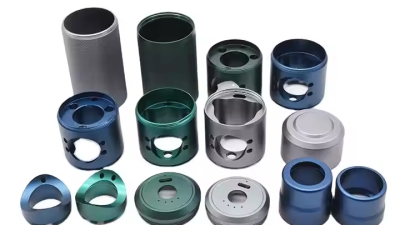
Optimizing your project with precision requires the right choice of materials and processes, especially when working with CNC housing aluminum shells. Utilizing advanced CNC machining technology, we offer bespoke solutions tailored to your specifications. Our expertise ensures that the size of each aluminum shell is precisely according to your drawing and sample, allowing for optimal fit and function in your projects.
Equipped with state-of-the-art 3, 4, and 5-axis CNC machining centers, our manufacturing process includes a diverse range of techniques such as cutting, drilling, machining, punching, bending, tapping, and stamping. This versatility not only increases our production capabilities but also enhances the accuracy of each component. With a minimum order quantity (MOQ) of 300-500 pieces, we can accommodate both small-scale and large-scale production runs, ensuring that your project requirements are met without compromise.
FAQS
: The demand for aluminium in the U.S. is expected to maintain a growth rate of 0.5% to 2% in 2023.
Global economic trends, including challenges in the US freight market and an unclear macroeconomic outlook, are impacting demand across sectors such as automotive and construction.
The transition toward a green economy is likely to boost interest in green aluminium production, especially as industries shift to eco-friendly materials amidst rising regulatory pressures.
Technological innovations are enhancing manufacturing efficiency, reducing waste, and improving the quality of aluminium profiles, which is essential for meeting growing demand sustainably.
Foshan Kaiya Aluminum Group is focusing on innovation in production methods and design capabilities, continuously investing in research and development to address industry challenges.
The adoption of state-of-the-art technologies is important for improving manufacturing processes, increasing efficiency, and maintaining competitiveness in a market increasingly focused on sustainability.
The expansion of the green aluminium market is driven by increasing commitments to sustainable practices, regulatory pressures, and environmental concerns globally, particularly from major producers like China.
Foshan Kaiya Aluminum Group prioritizes automation and smart manufacturing techniques to streamline production processes and enhance quality.
The aluminium angle market reflects essential trends in the overall manufacturing sector, including the need for sustainability, efficiency, and technological advancement in response to economic pressures.
The aluminium angle market will face challenges such as supply chain disruptions, fluctuating raw material costs, and the need to meet growing sustainable production demands as it approaches 2025.