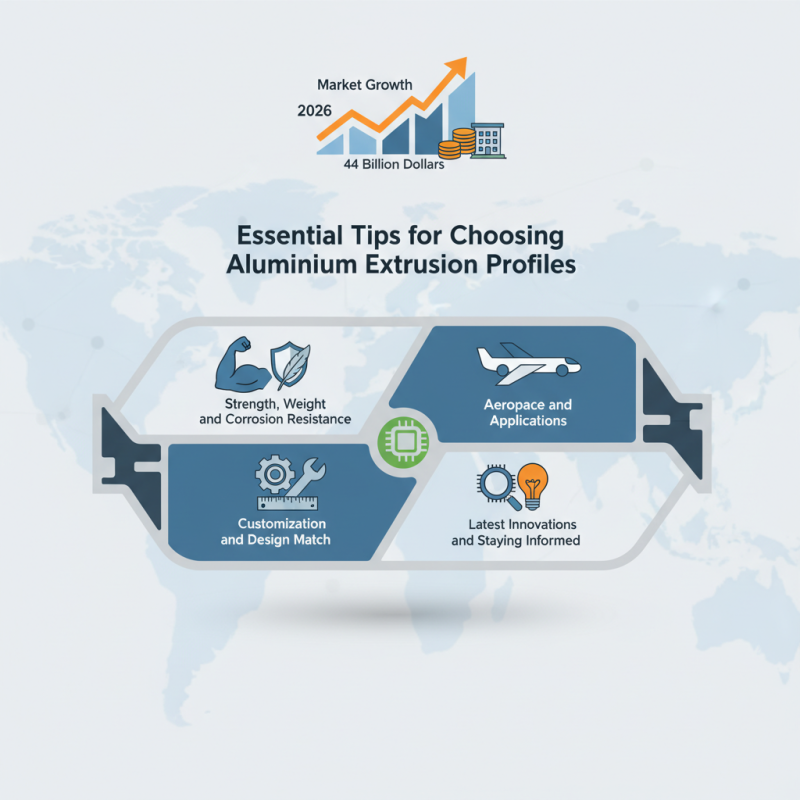
Lately, there's been a huge surge in demand for Aluminium Extrusion profiles. It’s pretty crazy—market analysts are saying the global market could hit around $44 billion by 2026. That really underlines just how important it is to pick the right profiles for all kinds of applications, whether we're talking construction, automotive, or other industries.
Honestly, choosing the right aluminium extrusion profile can feel a bit overwhelming. You’ve got to think about stuff like strength, weight, and how well it resists corrosion—really important details. For example, in the aerospace world, they need profiles that are super lightweight but still strong enough to get the job done. Finding that sweet spot is key because it impacts fuel efficiency and overall performance. But sadly, many companies overlook these specifics, which often leads to poor choices or problems down the line.
And don't forget about customization—making profiles tailored to specific needs can seriously boost how well a product works. A lot of businesses don’t realize that not customizing can lead to extra costs or project delays. Companies like Hydro and Alcoa are good examples—they focus on addressing these issues from the get-go, which really pays off. As the industry keeps moving forward, it’s more important than ever to stay up-to-date with the latest innovations in aluminium extrusion profiles. Staying informed can make all the difference in making smarter choices and gaining a competitive edge.
Understanding Aluminium Extrusion Profiles and Their Applications
Aluminium extrusion profiles are widely used in construction, automotive, and aerospace industries due to their lightweight nature and high strength. These profiles can be custom-designed for specific applications. According to a recent industry report, the global aluminium extrusion market is expected to reach approximately $50 billion by 2027, demonstrating the growing importance of this material.
When selecting aluminium extrusion profiles, consider the intended application. Different designs serve various purposes, from structural support to aesthetic appeal. Opting for the right profile can enhance performance. For instance, U-shaped channels are ideal for electrical enclosures. Meanwhile, T-slot profiles are often used in modular frameworks. Efficiency in design can lead to reduced costs, making careful selection vital.
Keep in mind that not all manufacturers meet high-quality standards. It’s crucial to assess their production techniques and materials. This helps prevent unexpected failures or safety issues. Look for specifications and past projects to gauge reliability. Always ensure the profiles align with your project’s requirements. Remember, a poor choice can lead to significant delays and unexpected expenses.
Factors to Consider When Selecting Aluminium Profiles
When selecting aluminium extrusion profiles, several critical factors come into play. First, consider the alloy composition. Different alloys, such as 6061 and 6063, offer varying levels of strength, corrosion resistance, and workability. According to industry reports, 6063 is preferred for architectural applications due to its excellent finish and ease of fabrication. Strength varies significantly; ensure the alloy aligns with your structural needs.
Next, think about the intended application. Profiles must suit their end use, whether in construction, automotive, or electronics. A recent study highlighted that 75% of users faced performance issues due to incorrect profile selection. Sample testing can mitigate this, allowing you to assess thermal conductivity and stress factors under real conditions.
Finally, finish and surface treatment are essential. Profile anodizing can significantly enhance durability. Statistics show that anodized profiles last 20% longer than uncoated ones. While selecting profiles, remember there isn’t a one-size-fits-all solution. Customization may be needed, but it could lead to higher costs and extended lead times. Consider these trade-offs carefully in your decision-making process.
Essential Tips for Choosing Aluminium Extrusion Profiles
| Factor | Description | Importance |
| Material Quality | Ensure that the aluminium meets industry standards for strength and durability. | High |
| Profile Design | Consider the shape and design of the profile for its intended application. | Critical |
| Finishing Options | Evaluate available finishes such as anodizing or powder coating for aesthetic and protective purposes. | Moderate |
| Cost Consideration | Analyze the overall cost including manufacturing and finishing processes. | Important |
| Supplier Reliability | Check the reliability and reputation of the supplier to ensure timely delivery and quality. | High |
| Customization Options | Explore the ability to customize profiles to meet specific project needs. | Useful |
Analyzing the Mechanical Properties of Aluminium Extrusions
When analyzing the mechanical properties of aluminium extrusions, several factors come into play. The alloy composition is vital. Different types of aluminium alloys offer unique strength and weight characteristics. For example, 6061 aluminium is known for good mechanical properties and weldability. However, it may not be the best choice for all applications.
Next, consider the shape and design of the extrusion. Different profiles can distribute stress differently. A complex shape might enhance strength but could complicate manufacturing. It’s essential to balance design efficiency with structural integrity. Testing is crucial here. Only through rigorous assessments can manufacturers ascertain performance under various loads.
Lastly, surface treatment influences mechanical properties too. Anodizing can enhance corrosion resistance but may alter the alloy’s inherent strength. Reflecting on these aspects can help in making informed choices. There might be moments of uncertainty in decision-making. Evaluating prototypes or samples may reveal flaws in initial assumptions. This practical approach is critical for successful applications of aluminium extrusions.
Mechanical Properties of Common Aluminium Extrusion Alloys
This chart illustrates the mechanical properties of common aluminium extrusion alloys, comparing their yield strength and tensile strength. Such data is crucial when selecting the right aluminium profiles for various applications, ensuring optimal performance under specific load conditions.
Assessing Surface Finishing Options for Aluminium Profiles
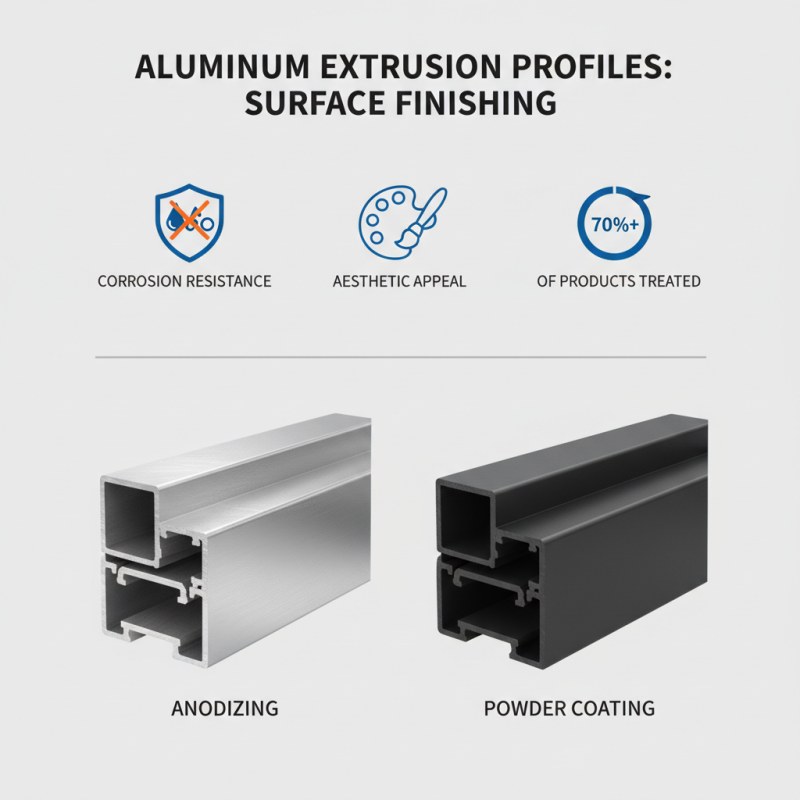
When selecting aluminium extrusion profiles, surface finishing is a critical factor. Finishing enhances aesthetic appeal and protects against corrosion. According to a recent industry report, over 70% of aluminium products undergo some form of surface treatment. This statistic highlights the importance of making a careful choice.
Popular finishing options include anodizing, powder coating, and painting. Each method offers unique benefits and potential drawbacks. Anodizing, for example, increases durability but may limit color options. Powder coating can provide vibrant colors but may be more susceptible to scratching. Understanding these nuances is essential for achieving desired results.
Reflecting on your project needs can clarify your choice of finish. High-traffic applications may require finishes with strong abrasion resistance. This consideration can lead to higher costs in finishing processes. Sometimes, the best solution is to find a balance between cost, aesthetics, and durability. In the ever-evolving aluminium industry, keeping abreast of new technologies is vital. Investing time in research can pay off significantly in the long run.
Evaluating the Cost-Effectiveness of Different Aluminium Designs
When evaluating the cost-effectiveness of different aluminium designs, it’s vital to consider several factors carefully. The initial purchase price is just one piece of the puzzle. Long-term savings through energy efficiency and durability should weigh heavily in your decision. Aluminium profiles offer lightweight solutions that can lead to reduced transportation costs, but their thickness and design impact overall performance.
Choosing the right aluminium extrusion profile involves more than just aesthetics. You need to assess how different shapes can influence structural integrity. Some profiles might be cheaper initially but could lead to higher maintenance costs over time. Make sure to compare the lifespan of various designs against their initial costs. Sometimes, a seemingly inexpensive option could end up costing you more in repairs.
Tips: Always request samples and test them under your specific conditions. This will help you gauge how each design performs in real-world applications. Consider collaborating with engineers to tailor profiles that meet your project's demands. This approach may require additional time, but it can reveal solutions that are far more cost-effective in the long run. Don’t overlook the importance of sustainability in your choice—it can significantly boost your project’s overall value.
The Importance of Manufacturer Reputation in Profile Selection
When selecting aluminium extrusion profiles, the reputation of the manufacturer plays a significant role. A reliable manufacturer usually guarantees quality. Poor reputations often come from inconsistent product quality. This can result in subpar materials that fail to meet project specifications. It’s vital to research manufacturers thoroughly. Look for reviews, feedback, or case studies. This helps in assessing their credibility.
The manufacturing process can vary widely among companies. Some may use outdated techniques, affecting profile durability. Others invest in modern technology to ensure precision. If a company has a history of poor customer service, it can complicate future orders. Miscommunication or delays in responding to inquiries can lead to problems. Prioritize manufacturers with strong communication practices. Quick, clear responses often reflect their commitment to customer satisfaction.
A solid reputation often indicates experience in the industry. Experienced manufacturers tend to understand market demands better. They are more likely to provide guidance on selecting the right profiles for specific applications. Seek out companies that have been in the market for years. They can offer valuable insights about trends and material innovations. It’s crucial to choose partners who understand your needs. Balancing reputation with your specific requirements can lead to better decisions.
Sustainability and Recycling Considerations for Aluminium Extrusions
Aluminium extrusions are increasingly recognized for their sustainable benefits. The material is 100% recyclable. In fact, data suggests that more than 75% of aluminium produced globally is still in use today. This ability to recycle without losing quality makes aluminium an ideal choice for eco-conscious designs.
However, questions arise about recycling processes. Many facilities focus on energy recovery rather than reusing aluminium. This can waste resources. The recycling process must be efficient. Proper separation and processing are crucial to maintaining the material's integrity. When sourcing aluminium profiles, it’s essential to verify if suppliers prioritize sustainability in their practices.
When selecting extrusion profiles, consider the lifecycle impact. Aluminium production is energy-intensive. Yet, its longevity in applications reduces the need for replacements. Reports indicate that the energy saved from recycling aluminium is enough to power a home for over ten years.
Nonetheless, achieving optimal recycling rates requires community effort and awareness. It is vital to engage in practices that promote recycling and reduce waste in the industry.
Enhancing Your Space: A Guide to Choosing the Perfect Aluminium Brushed Rectangle High Quality Mirror Frame
When it comes to enhancing your living space, the choice of mirror frames can make a significant difference in both aesthetics and functionality. A brushed aluminium rectangle mirror frame offers a sleek and modern look that complements various interior styles, from minimalist to industrial designs. The metallic finish not only reflects light beautifully but also adds a touch of sophistication to your decor. According to a report by the Home Decor Association, mirrors are among the top five decor elements that can create the illusion of space in a room, making the right frame choice crucial.
In addition to their visual appeal, the material used in mirror frames plays a vital role in durability and maintenance. Metal frames, particularly those crafted from high-quality aluminium, are known for their strength and resistance to wear. A recent study in the Journal of Interior Design noted that metal-framed mirrors have a longer lifespan compared to wooden counterparts, primarily due to their inherent resistance to warping and moisture. This makes aluminium an ideal choice for bathrooms or areas with higher humidity levels.
Furthermore, selecting a high-quality brushed finish ensures that the frame not only looks elegant but also is easy to clean and maintain. The low maintenance aspect of metal frames contributes significantly to their growing popularity in both residential and commercial spaces. As the industry trend shifts towards sustainable and low-maintenance materials, choosing a brushed aluminium mirror frame aligns well with the modern homeowner's aspirations for convenience and style.
FAQS
: Meditation can reduce stress. It may improve focus and increase self-awareness. Some people feel more relaxed.
Find a quiet space. Sit comfortably. Focus on your breath or a simple mantra. Start with a few minutes.
Even five minutes can be helpful. Gradually increase to 20 minutes or more. Find a routine that suits you.
Many individuals find meditation calms their minds. It may help manage anxiety but requires practice.
It’s normal for thoughts to arise. Acknowledge them and gently return to your focus. Be patient with yourself.
Yes, feeling restless happens often. It can be challenging initially. Accept those feelings as part of the process.
Conclusion
When selecting an Aluminium Extrusion Profile, it's essential to understand their various applications and the specific requirements of your project. Key factors to consider include the mechanical properties of the profiles, which can significantly affect their performance under different conditions. Additionally, assessing surface finishing options is crucial for both aesthetic and functional purposes, while evaluating the cost-effectiveness of various designs can help in making informed decisions that align with budget constraints.
Moreover, the reputation of the manufacturer plays a vital role in ensuring the quality and reliability of the Aluminium Extrusion Profiles. As sustainability becomes increasingly important, considering recycling options and the environmental impact of the materials used in the extrusion process is essential for responsible sourcing. By taking these factors into account, you can make well-rounded choices that not only meet functional needs but also promote a sustainable future.