When you're diving into construction or manufacturing projects, choosing the right Aluminium Angle really matters. I came across a recent report from the Aluminum Association that said demand for aluminium products, including angles, has jumped by over 10% in just the past year. That kind of increase just shows how crucial it is to really understand what your project needs before you pick out your aluminium angles. Industry veteran John Smith from Aluminium Innovations put it nicely when he said, “Getting the right aluminium angle can make a big difference in how strong and durable your structure turns out.”
Now, when you're trying to decide on the perfect aluminium angle, things like size, thickness, and alloy (you know, the material mix) all come into play. For example, a thicker angle can give you more strength, but it’ll also be heavier. It’s really all about finding that sweet spot based on what your project demands. Messing up this choice might lead to structural issues or just end up costing ya more down the line. And let’s be honest, no product is flawless — taking a quick look at past projects and what worked (or didn’t) can provide some valuable clues.
Even with all these factors, the main thing is to do your homework and chat with the experts. Every single project is unique, so making well-informed decisions about your aluminium angles can really pay off. Best of all, tapping into professional advice can help you dodge some costly mistakes. So, spending a little extra time to pick the right aluminium angle isn’t just smart — it’s an investment in a smoother, more successful build down the road.
Understanding Aluminium Angle: Definition and Uses
Aluminium angle is a versatile material used in various industries. Defined as an L-shaped metal piece, it serves multiple purposes, from framing structures to reinforcing components. Its lightweight yet durable nature makes it ideal for both construction and manufacturing. According to a report by the Aluminium Association, demand for aluminium products has increased by 50% over the past decade, highlighting the growing reliance on materials like aluminium angle in modern projects.
When selecting an aluminium angle, consider its thickness and length. Thicker angles provide strength, while longer ones can span larger distances. Industrial guidelines suggest that a minimum thickness of 3 mm is effective for moderate loads, helping ensure stability without adding unnecessary weight.
Tip: Always evaluate the specific needs of your project before purchasing. An undersized angle can lead to structural failures. Additionally, consulting with engineers can optimize your material selection.
Understanding the different grades of aluminium is crucial. Each grade has unique properties suited for specific applications. For instance, 6061 aluminium is commonly used for its excellent corrosion resistance and weldability, making it popular in construction. However, improper selection can lead to deficiencies and increased costs later.
Tip: Research extensively and compare options. Quality matters in achieving project success.
Types of Aluminium Angles and Their Applications
Aluminium angles come in various types, each serving distinct applications. The most common forms are equal and unequal angles. Equal angles have both sides of equal length, making them ideal for structural frames. They provide stability and support in projects like shelving or construction framing. On the other hand, unequal angles are versatile. They can offer unique support configurations, often used in brackets or railings.
When choosing an aluminium angle for your project, consider the load requirements. Thicker aluminium angles provide more strength but can be heavier. Conversely, lighter models are easier to handle but may not support significant weight. It's important to balance weight and strength in your designs. Some projects require a precise angle cut, which can complicate the assembly process. Using an Aluminium Angle Frame can simplify fabrication, ensuring accurate cuts and strong joints. Be mindful of the intended use and environmental factors that may influence your choice.
Factors to Consider When Choosing Aluminium Angle
Choosing the right aluminium angle is crucial for your projects. One key factor to consider is the intended application. Will it be used for structural support or aesthetic purposes? Knowing the application will help you decide the size and thickness needed. Look at the project requirements; sometimes, a smaller angle might suffice while other times, a robust one is essential.
Another important aspect is the grade of aluminium. Different grades offer varying levels of strength and corrosion resistance. Be sure to evaluate the environmental conditions. For instance, outdoor projects may require better protection against elements like moisture and UV light. Consulting with knowledgeable Aluminium Angle Suppliers can provide valuable insights on which grade is most suitable for your needs.
You should also think about the dimensions and tolerances. Measuring accurately can save you time and money. Even small mistakes can lead to setbacks. Many projects return to square one due to mismatched specifications. Finding reliable Aluminium Angle Suppliers can help avoid these pitfalls. They can offer guidance on proper measurements and ensure you get the right product for your project.
Factors to Consider When Choosing Aluminium Angle
Measuring and Selecting the Right Dimensions
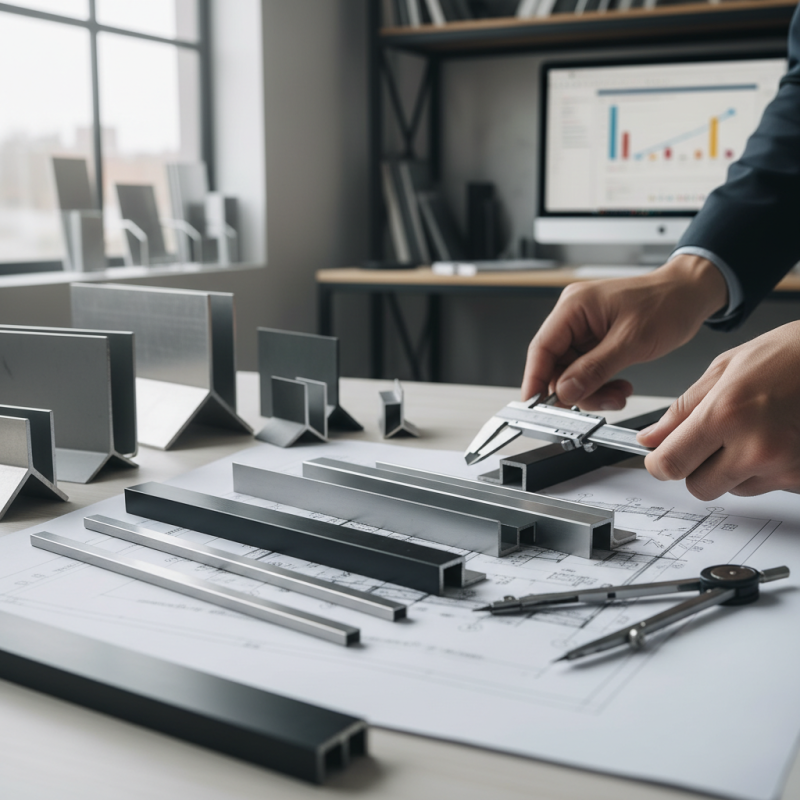
When selecting aluminium angles, measuring dimensions is crucial. Start by identifying the project requirements. Consider the angle's length, height, and thickness. Accurate measurements ensure that the angle fits seamlessly into your structure. Take time to double-check each dimension. A small mistake can lead to significant issues down the line.
Choosing the right dimensions involves understanding the intended use. Will the angle bear heavy loads or support lighter structures? This impacts the thickness needed. Sometimes, an angle that seems adequate might not bear the load as expected. Collaborating with an experienced Aluminium Angle Supplier can provide insights on suitable dimensions based on your project. Their expertise helps in making informed choices.
Keep in mind that not all projects are straightforward. Design flaws can emerge, requiring adjustments. Always be open to reassessing your measurements and dimensions. This reflection can lead to better solutions and improved project outcomes. In the end, ensuring precision in measurement can save time and costs in the long run.
Comparing Aluminium Alloy Grades for Strength and Durability
When selecting an aluminium angle for your projects, the alloy grade matters significantly. Different aluminium alloys offer varying levels of strength and durability. For structural applications, 6061 and 6063 are often recommended. According to the Aluminium Association, 6061 alloy provides excellent mechanical properties and is often used in aerospace and automotive applications. It has a tensile strength of around 310 MPa. This makes it a reliable choice for demanding environments.
On the other hand, 6063 is commonly used in architectural applications. It offers good corrosion resistance and a tensile strength of about 240 MPa. Although it may not match the strength of 6061, its formability and aesthetic finish make it suitable for visually appealing structures. However, relying solely on aesthetics can sometimes lead to underperformance in specific applications. It is crucial to assess whether the flexibility of the alloy meets the project's demands.
Beyond strength, understanding the alloy's limitations is essential. Factors like temperature and exposure to chemicals can degrade performance over time. A study by the Aluminium Standards Council found that improper selection can compromise structural integrity. Evaluating the project requirements thoroughly can prevent failures and ensure long-lasting results. Balancing strength with other attributes will lead to better project outcomes.
Cost Considerations and Budgeting for Aluminium Angle Projects
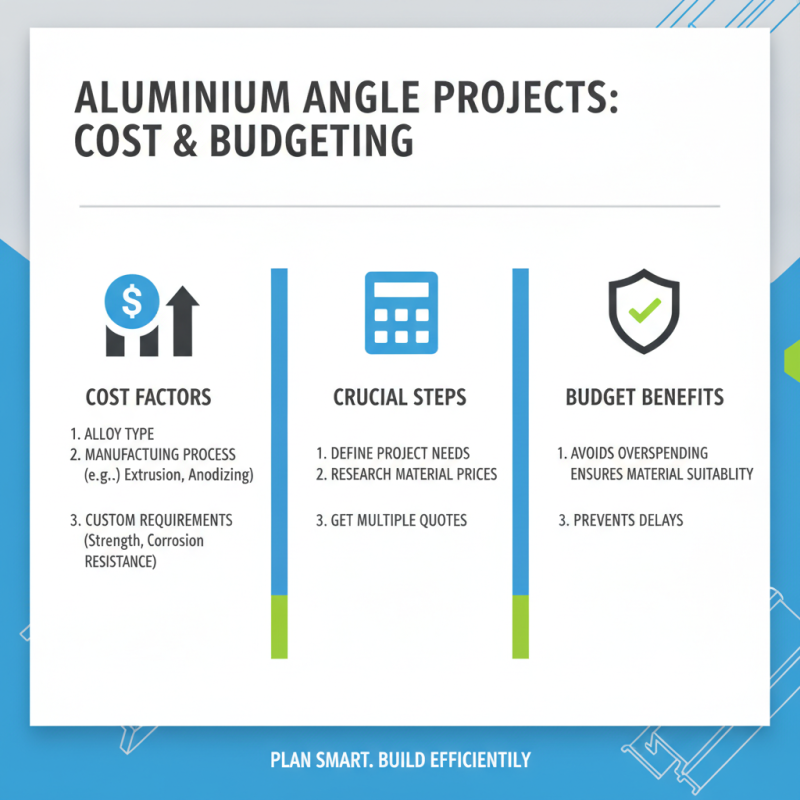
When planning a project involving aluminium angles, budgeting is crucial. Aluminium angles can vary significantly in price based on factors such as alloy type and manufacturing process. An essential step is to determine your project's specific requirements. For instance, if you need a custom strength or corrosion resistance, that can increase costs.
Consider the total amount of material needed. A project requiring a long-length aluminium angle may hit the budget hard. Cutting and fabrication services often add extra expenses. You might also want to explore options like OEM Aluminium Angle Frame, which can tailor sizes to your needs. Yet, without careful comparison, you may overspend.
Making informed choices can mitigate excessive expenses. Research different suppliers for pricing and quality. Remember, opting for the cheapest material might not always be the best value. Balancing cost with quality is an ongoing challenge. Always reflect on how each choice affects your budget and project integrity.
Safety Precautions When Working with Aluminium Angles
When working with aluminium angles, safety should always be a priority. Cuts, scrapes, and other injuries can occur if proper precautions are not taken. Data from the International Safety Standards organization indicates that over 30% of workshop injuries are caused by improper handling of materials. Using personal protective equipment (PPE) such as gloves and goggles is essential. This safeguards against sharp edges and flying debris, which can result from cutting angles.
Handling aluminium angles requires careful attention to the environment. Always work in a well-lit area to see potential hazards. Make sure your workspace is free from clutter. According to industry reports, almost 40% of workplace accidents occur due to obstructed workspaces. Additionally, when lifting heavy aluminium sections, use correct lifting techniques. Keep your back straight and lift with your legs. This can prevent serious injuries and long-term damage.
It’s essential to be mindful of the potential for accidents. Mistakes can happen. In fact, studies show that approximately 50% of accidents occur when workers feel rushed. Taking the time to ensure safety can significantly reduce risks. Review safety protocols periodically. Regular training sessions can enhance awareness and reinforce safe practices. This fosters a culture of safety that benefits everyone involved.
Innovative Design: The Allure of Alu Brushed Colors in LED Touch Mirrors and Framing Solutions
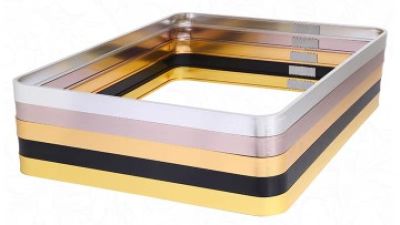
The innovative design of LED touch mirrors beautifully integrates high functionality with artistic expression, particularly through the use of aluminum brushed colors. This technique not only enhances the aesthetic appeal of the mirrors but also offers durability and resilience, making it an ideal choice for a range of interior settings. The anodized and powder-coated finishes create a sleek, modern look, while options like wood grain and polishing provide additional textures that can cater to diverse design preferences.
Aluminum frames, available in a variety of colors including white, black, bronze, champagne, blue, and grey, allow for significant customization. This flexibility means that designers and homeowners alike can select the perfect hue to complement their decor and personal style. Importantly, the mirrors can be tailored to various sizes based on customer requests, ensuring that each piece fits seamlessly into its designated space. With ISO9001:2008 certification, these framing solutions guarantee not only aesthetic innovation but also adherence to high-quality manufacturing standards.
FAQS
: The most common types are equal and unequal angles. Equal angles have sides of equal length.
They are ideal for structural frames, providing stability in shelving and construction framing projects.
Unequal angles offer unique support configurations. They are often used in brackets and railings.
Thicker angles provide more strength but can be heavier. Balance weight and strength is crucial.
Some projects require precise angle cuts. This can complicate assembly, so careful planning is needed.
Budgets can vary based on alloy and process. Determine specific requirements to avoid overspending.
The cheapest materials may not provide the best value. Always balance cost with quality.
Personal protective equipment like gloves and goggles is essential to prevent cuts and injuries.
Work in well-lit and organized areas. Obstructed workspaces increase the risk of accidents significantly.
Many accidents occur when workers feel rushed. Take time for safety to reduce these risks.
Conclusion
When selecting the right Aluminium Angle for your projects, it's essential to first understand its definition and various applications across industries. Aluminium Angles are versatile components used in construction, manufacturing, and crafts due to their lightweight and corrosion-resistant properties. There are different types available, each suited for specific applications, making it crucial to consider factors such as load requirements and environmental conditions.
Measuring and choosing the appropriate dimensions based on your project needs will ensure optimal performance. Additionally, comparing aluminium alloy grades can help you select options that balance strength and durability with cost-effectiveness. Budgeting for Aluminium Angle projects involves understanding your financial constraints and planning for safe handling and usage, as safety precautions are paramount when working with these materials. By carefully evaluating these considerations, you can successfully incorporate Aluminium Angles into your projects.