Picking the right aluminium LED profile really makes all the difference when it comes to good lighting. There are so many options out there, each with their own perks, so it’s worth taking a good look at what you actually need before jumping in. Honestly, it’s easy to get overwhelmed, but thinking about your specific project can help a lot.
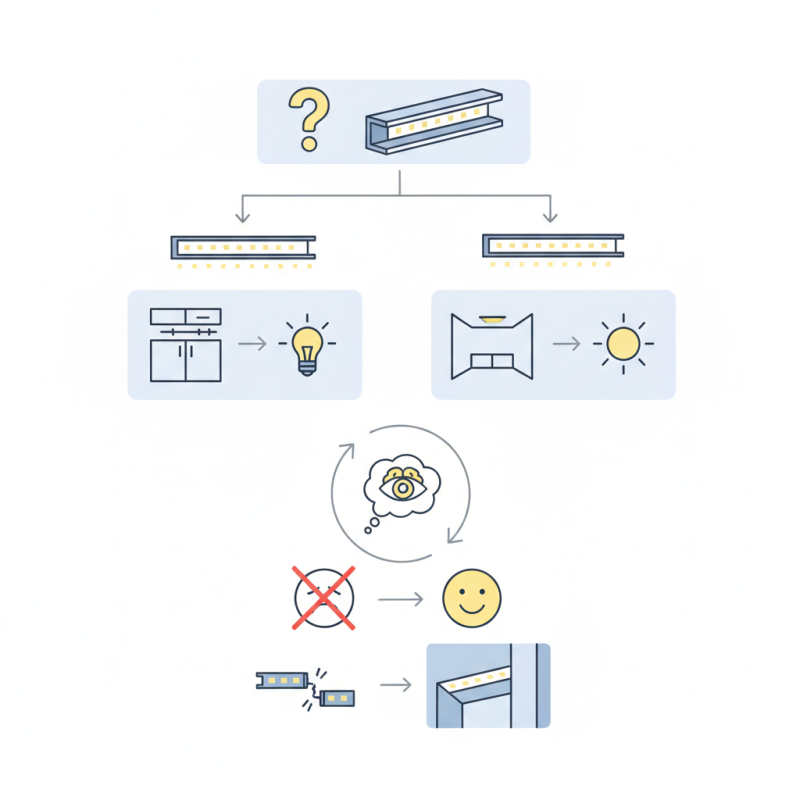
Different setups call for different profiles. For example, a slim profile might be perfect if you're going for a subtle, under-cabinet glow. On the other hand, if you’re lighting up a bigger space, a wider profile could make everything much brighter and more inviting. Just take a moment to think about where you’re gonna install these lights. Consider how they’ll look and how practical they are—sometimes it’s a balancing act.
And hey, don’t rush this step. It’s pretty common to make a quick decision and regret it later. Remember, choosing the wrong aluminium LED profile can leave you feeling disappointed. So, take your time, weigh your options, and go for what really matches your vision. Trust me, it’ll be worth it in the end.
Understanding Aluminium LED Profiles: An Overview
Aluminium LED profiles play a crucial role in modern lighting solutions. They provide structure and protection for LED strips while ensuring optimal light diffusion. According to a recent industry report, the global LED profile market is expected to grow by 7.5% annually through 2025. This highlights their increasing importance in both residential and commercial applications.
Choosing the right profile can be challenging. There are various shapes and sizes available, each designed for specific uses. Some are flat, ideal for subtle lighting; others are rounded, great for highlighting features. A study by the Lighting Research Center indicated that improper selection can lead to inefficient lighting. This can waste energy and increase costs over time. It’s essential to assess your environment thoroughly before making a decision.
Durability is another aspect to consider. Aluminium profiles are favored for their lightweight and corrosion-resistant properties. They can withstand temperature variations well. However, not all profiles are created equal. Low-quality profiles may not provide the durability needed in high-traffic areas. User reviews often mention issues like discoloration over time. It’s vital to seek a balance between cost and quality when selecting a profile for your needs.
Key Factors to Consider When Selecting LED Profiles
Choosing the right aluminium LED profile involves several key factors. First, consider the size and shape of the space you’re lighting. A compact profile may work well in tight corners, while larger areas might benefit from wider profiles. The profile design should complement the aesthetics of your space as well. Think about how it fits with your overall decor.
Next, think about the type of lighting you need. Are you aiming for ambiance or focused task lighting? Profiles designed for diffused light can soften harsh brightness, creating a calm environment. For under-cabinet settings, a directional profile might be better. Light output and distribution are vital too; they can dramatically change a room’s feel.
Reflect on installation needs. Some profiles demand more complex setups. If you’re doing it yourself, simpler options could save time and hassle. Sometimes, despite thorough planning, choices can fall short. A profile may not deliver the expected brightness or may clash with furniture. Learning from these experiences can guide future selections.
Types of Aluminium LED Profiles and Their Uses
When selecting an aluminium LED profile, understanding the types and their applications is essential. There are several common types of profiles, including surface-mounted, recessed, corner, and pendant options. Each type serves a different purpose. For instance, recessed profiles fit into walls or ceilings, offering a sleek look. Surface-mounted profiles sit on top of the surface, ideal for open spaces. Corner profiles are perfect for accent lighting in tight areas.
Consider the specific use when choosing a profile. Some profiles are better for task lighting, illuminating workspaces efficiently. Others are perfect for ambient lighting, creating a warm atmosphere. Assessing the location and the desired brightness helps in making the right choice.
**Tips:** Think about the heat dissipation. Some profiles can trap heat, impacting their lifespan. Also, consider the diffuser types; they can soften light and reduce glare. Ensure the profile complements your overall design. An unbalanced choice can disrupt visual flow in your space. Keep in mind that sometimes, the wrong fit may lead to regrets later.
Assessing the Compatibility with Your Lighting Sources
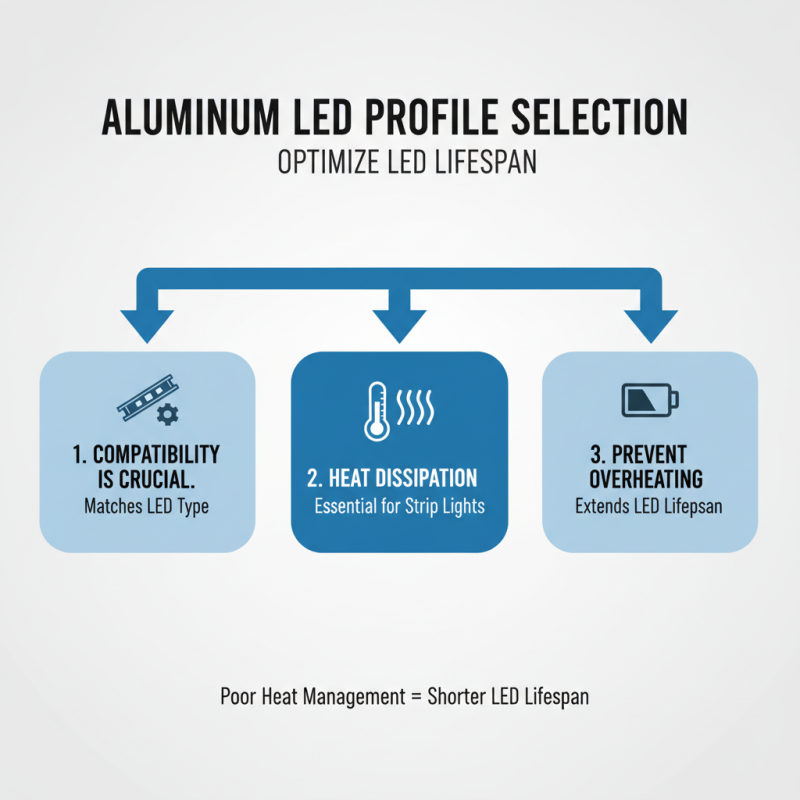
When selecting an aluminium LED profile, compatibility with your lighting sources is crucial. Different LED types have unique requirements. For instance, strip lights need profiles that can dissipate heat effectively. If your profile doesn't manage heat well, it could shorten the LED's lifespan significantly.
Consider the dimensions and weight of your LED lights. A profile that is too narrow might not accommodate the lights properly. Some profiles offer adjustable features, allowing them to fit various light sources. Test with the specific LED type before making a purchase. If you skip this step, you may face installation issues later.
Remember to factor in the lighting environment. Bright places might need more robust profiles for durability. In dim spaces, aesthetics might matter more. This could lead to unexpected decisions. It’s essential to reflect on how the profile complements your overall design. Sometimes, practicality might clash with aesthetics, so weigh both sides carefully.
Finishing Options: Enhancing Aesthetics of LED Profiles
Choosing the right finishing options for aluminium LED profiles can elevate your lighting design. The aesthetics of these profiles play a crucial role in their integration into various spaces. Finishes can significantly influence light distribution and ambience. A report by the Illuminating Engineering Society reveals that proper finishing can increase perceived light quality by up to 30%.
Matte finishes can diffuse light evenly, reducing glare. On the other hand, polished surfaces reflect more light, creating a striking visual effect. However, this can lead to hotspots, which might not be suitable for every environment. It's essential to consider the intended atmosphere. Additionally, anodized finishes offer durability and corrosion resistance while enhancing the profile's look.
Different architectural styles demand specific approaches. For instance, a minimalist design may prefer sleek, understated finishes. In contrast, a more expressive space could benefit from bold, textured options. Balancing aesthetics and practicality is challenging. It requires careful thought about how lights will interact with their surroundings. Sometimes, what looks good on paper doesn’t translate well in reality, necessitating adjustments along the way.
How to Choose the Right Aluminium Led Profile for Your Lighting Needs - Finishing Options: Enhancing Aesthetics of LED Profiles
| Profile Type | Finishing Option | Light Diffusion | Usage Scenario | Aesthetics |
| Surface Mounted | Anodized | Frosted | Home Interiors | Modern Look |
| Recessed | Powder Coated | Clear | Commercial Spaces | Elegant |
| Suspended | Brushed | Diffused | Retail Displays | Stylish |
| Corner Mounted | Polished | Translucent | Home Theatre | Contemporary |
Maintenance Tips for Long-Lasting LED Profiles
Maintaining your aluminium LED profiles is essential for long-lasting performance. Regular cleaning can keep them looking new. Use a soft cloth and mild soap to remove dust. Avoid abrasive materials that could scratch the surface. Every few months, check for any signs of wear or damage. Early detection can save you time and effort.
Consider the environment where you install the LED profiles. If they're in damp areas, moisture can be a problem. Make sure they’re well-sealed against humidity. This avoids corrosion, which shortens their lifespan. Proper ventilation is vital too. Stale air can lead to overheating, which is harmful.
Inspect the wiring and connections regularly as well. Loose connections can lead to flickering lights. Tightening them can make a significant difference. Don’t ignore unusual sounds or flickers. They might indicate underlying issues. Making troubleshooting a habit can enhance both safety and functionality.
Comparison of Different Aluminium LED Profiles and Their Lifespan
Conclusion
Choosing the right Aluminium LED Profile is crucial for optimizing your lighting needs. This article provides a comprehensive overview of Aluminium LED Profiles, starting with an understanding of their purpose and benefits. Key factors to consider include the size, shape, and intended use, as well as compatibility with your existing lighting sources.
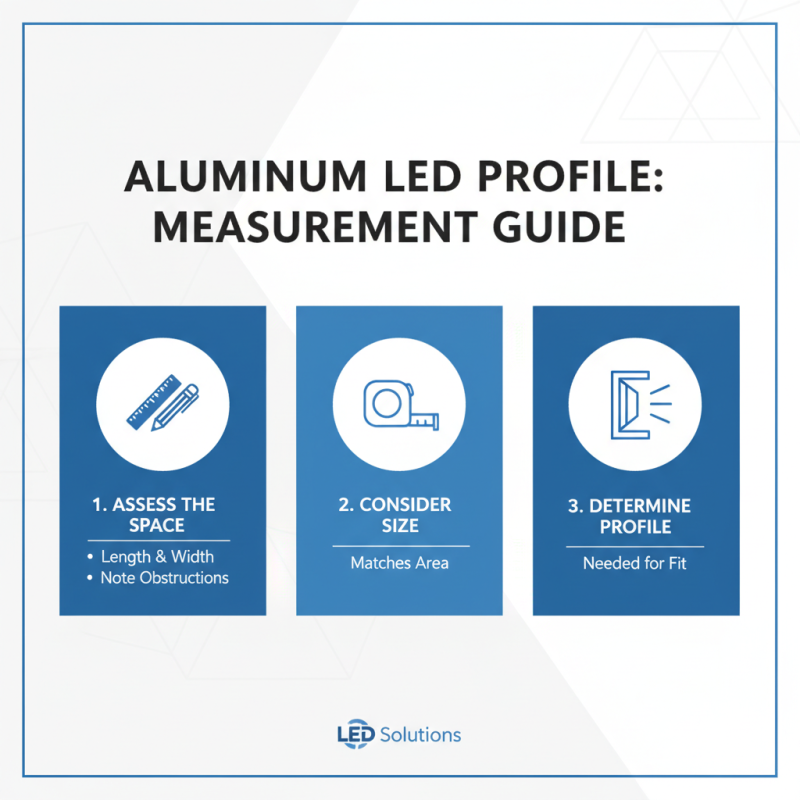
The article discusses various types of Aluminium LED Profiles and their specific applications, ensuring you can select the best option for your project. Additionally, it emphasizes the importance of careful measurement and planning for installation, alongside exploring finishing options to enhance the aesthetics of your lighting setup. Finally, maintenance tips are provided to ensure that your Aluminium LED Profiles remain functional and visually appealing over time.