• Mirror Frame decorative aluminum profile CNC deep processing manufacturer
Leave Your Message
0%

When it comes to manufacturing, choosing the right materials can make all the difference—especially when you're aiming for something that’s efficient, strong, and sustainable. One material that really stands out these days is the Aluminium Extrusion Profile. I read somewhere that, according to the Aluminium Association, the global market for these profiles is expected to hit around $80 billion by 2027. And a big reason for that? The growing demand in construction and auto industries. It really highlights how valuable aluminium is because it’s lightweight but super durable at the same time.

Dr. Sarah Thompson, who’s kind of a big deal at the International Aluminium Institute, once said, “Aluminium Extrusion Profiles aren’t just a passing trend; they’re actually shaping the future of building designs because they’re so adaptable and eco-friendly.” And honestly, that flexibility means you can tweak and customize aluminium profiles to fit a ton of different uses—whether it’s in building frameworks or complex industrial machines. As more and more companies look for sustainable options, it’s clear that Aluminium Extrusion Profiles are becoming a top pick for your next project. It’s pretty exciting stuff!

Why Choose Aluminium Extrusion Profiles for Your Next Project?

Benefits of Aluminium Extrusion Profiles in Modern Engineering Projects

Aluminium extrusion profiles have become increasingly popular in modern engineering projects due to their unique properties and versatility. One of the main benefits of these profiles is their lightweight nature, which allows for easy handling and installation without sacrificing structural integrity. This characteristic makes them an excellent choice for various applications, from architectural elements to automotive parts. Additionally, aluminium's resistance to corrosion ensures longevity and reduces maintenance costs, making it a cost-effective solution in the long run.

When considering aluminium extrusion profiles for your project, it is essential to keep in mind the design flexibility they offer. These profiles can be tailored to meet specific design requirements, enabling engineers to create customized solutions that align perfectly with their project's needs. The ability to produce complex shapes while maintaining consistent wall thickness provides significant advantages in both aesthetics and functionality.

**Tip:** Always consult with an expert on the appropriate alloy and finish for your specific application to enhance performance and durability.

Another valuable aspect of aluminium extrusion profiles is their sustainability. Aluminium is a highly recyclable material, and using extruded profiles contributes to reducing the environmental impact of engineering projects. When selecting materials, aim for those that minimize waste and promote eco-friendly practices.

**Tip:** Consider working with manufacturers that prioritize sustainable practices to ensure your project aligns with environmental goals.

Key Properties of Aluminium: Lightweight, Strength, and Corrosion Resistance

Aluminium extrusion profiles are increasingly favored in a variety of projects, primarily due to their remarkable properties: lightweight, strength, and corrosion resistance. One of the most significant advantages of aluminium is its lightweight nature, which makes it easier to handle and install. This characteristic not only reduces transportation costs but also ensures greater efficiency in construction and manufacturing processes. Lightweight materials are especially beneficial in applications where weight limitations are critical, such as in the aerospace and automotive industries.

In addition to being lightweight, aluminium boasts impressive strength relative to its weight. This strength allows for the creation of durable structures that can withstand various stresses and loads without compromising performance. Engineers and designers often leverage this property to produce sophisticated components that require both resilience and reliability. Furthermore, aluminium's corrosion resistance is a key factor in its widespread use. The natural oxide layer formed on its surface protects it from the effects of moisture and chemicals, making it ideal for outdoor applications and environments prone to harsh conditions. This resistance not only extends the lifespan of products but also minimizes maintenance needs, which is a significant advantage in both residential and industrial settings.

Cost Efficiency: How Aluminium Extrusions Optimize Production Costs

Aluminium extrusion profiles are increasingly becoming a preferred choice for various projects, particularly due to their cost-efficient nature. Utilizing the extrusion process allows manufacturers to produce components with a specific shape and design, minimizing waste material. This precision not only results in lower material costs but also streamlines the production process. By creating parts directly from the raw aluminium, companies can significantly reduce overhead associated with secondary operations, such as cutting or machining, leading to overall savings in production expenses.

Moreover, the lightweight nature of aluminium profiles means that transportation and handling costs are further diminished. Lighter materials necessitate less energy consumption during shipping, while also reducing the costs associated with labor or machinery for handling heavier materials. The durability and resistance to corrosion inherent in aluminium also translate into lower long-term maintenance costs, ensuring that the initial investment in these profiles is recouped over time. Overall, choosing aluminium extrusion profiles not only enhances immediate budget considerations but also establishes a foundation for sustained cost efficiency throughout the lifecycle of a project.

Sustainability Impact: Recycling Potential of Aluminium Extrusions

Aluminium extrusion profiles are increasingly recognized for their sustainability benefits, particularly due to their impressive recycling potential. According to the International Aluminium Institute, over 75% of all aluminium ever produced is still in use today, emphasizing the metal's durability and long lifecycle. The recycling process for aluminium is particularly energy-efficient, requiring only 5% of the energy necessary to produce new aluminium from ore. This not only reduces energy consumption but also lowers greenhouse gas emissions significantly—by as much as 95% when compared to primary production.

Moreover, the recycling rates for aluminium are markedly high, with the European Aluminium Association reporting that approximately 90% of aluminium cans are recycled in Europe alone. Such statistics highlight the efficacy of recycling programs and the industry's commitment to sustainability. By incorporating aluminium extrusions into your projects, you contribute to a closed-loop system where materials are continuously recycled and reused, minimizing waste and environmental impact. The ability to repurpose these profiles consistently positions aluminium as a frontrunner in sustainable building materials, ultimately supporting global efforts towards a circular economy.

Versatility in Design: Customization Options for Various Applications

Why Choose Aluminium Extrusion Profiles for Your Next Project?

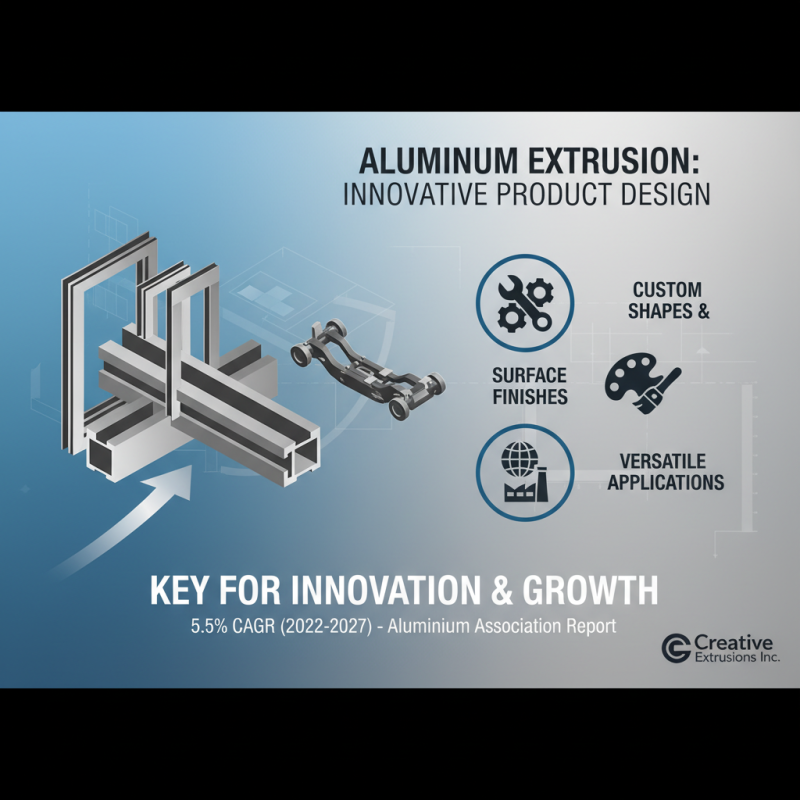
When it comes to designing innovative products, the versatility of aluminium extrusion profiles cannot be overstated. The ability to customize these profiles for a wide range of applications makes them an ideal choice for architects and engineers alike. According to a report by the Aluminium Association, the aluminium extrusion market is expected to grow at a CAGR of around 5.5% from 2022 to 2027, highlighting the increasing demand for customized solutions across various industries. This flexibility in design allows for a myriad of modifications, including different shapes, sizes, and surface finishes, tailored to meet specific project requirements.

Moreover, aluminium's lightweight yet robust properties enable designers to create more complex geometries without compromising on integrity. For instance, the construction sector has increasingly turned to custom aluminium profiles to facilitate energy efficiency and sustainability—two critical factors in modern building design. Data from the Global Aluminium Extrusion Market report indicates that nearly 45% of the extrusion demand comes from the construction industry, driven by a pursuit of innovative solutions that enhance both functionality and aesthetics. The adaptability of aluminium extrusion profiles positions them as a cornerstone in progressive design, ensuring they remain relevant in a competitive market landscape.

Industry Applications: Where Aluminium Extrusions are Making a Difference

Why Choose Aluminium Extrusion Profiles for Your Next Project?

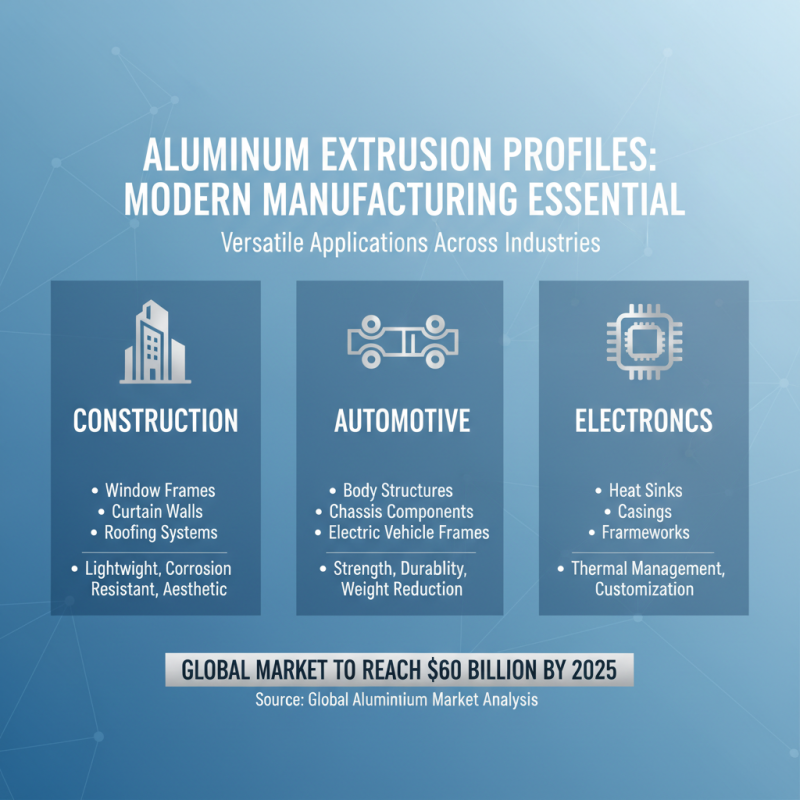
Aluminium extrusion profiles have become increasingly vital across various industries, proving their versatility and essential role in modern manufacturing processes. According to a report by the Global Aluminium Extrusion Market Analysis, the global market for aluminium extrusions is expected to reach approximately $60 billion by 2025, driven by the rising demand in sectors like construction, automotive, and electronics. In the construction sector, aluminium profiles are favored for their lightweight, resistance to corrosion, and aesthetic appeal, making them ideal for window frames, curtain walls, and roofing systems.

In the automotive industry, aluminium extrusions are streamlining production and enhancing vehicle performance. The lightweight nature of aluminium contributes significantly to fuel efficiency, which aligns with the growing environmental regulations aimed at reducing emissions. A study by the Aluminium Association highlights that the use of aluminium in vehicle manufacturing can potentially reduce overall vehicle weight by up to 50%, significantly enhancing fuel economy and performance. Additionally, in the electronics sector, aluminium extrusions are utilized in the production of heat sinks and enclosures, providing both durability and excellent thermal management properties. As industries continue to embrace sustainability and innovation, aluminium extrusions are poised to be a cornerstone in engineering solutions.

Future Trends: Innovations in Aluminium Extrusion Technology and Processes

Aluminium extrusion technology is rapidly evolving, with new innovations shaping the future of this versatile process. One of the most significant trends is the integration of automation and robotics in aluminium extrusion manufacturing. By employing advanced robotics, manufacturers can achieve higher precision and efficiency, reducing the chances of defects and improving overall production speed. This not only enhances the quality of the profiles produced but also allows for greater customization to meet specific project requirements.

Another emerging trend is the focus on sustainability within the aluminium extrusion industry. Innovations in recycling and material sourcing are leading to a more eco-friendly approach to production. For instance, the development of closed-loop recycling systems ensures that aluminium waste is minimized and repurposed effectively, thus reducing the carbon footprint associated with manufacturing. Additionally, advancements in energy-efficient processes are enabling facilities to lower their energy consumption, making aluminium extrusion an even greener choice for environmentally conscious projects.

Why Choose Aluminium Extrusion Profiles for Your Next Project? - Future Trends: Innovations in Aluminium Extrusion Technology and Processes

Dimension Details Applications Future Trends
Weight Lightweight materials with high strength Transportation, Aerospace Increased use in electric vehicles
Corrosion Resistance Natural resistance without additional coatings Marine, Construction Development of anodizing processes
Recyclability Can be recycled multiple times without loss of quality Sustainable construction Circular economy practices in manufacturing
Flexibility Customizable profiles for specific needs Consumer products, Electronics Smart production techniques
Thermal Conductivity Excellent heat dissipation properties HVAC systems, Heat exchangers Innovative thermal management solutions

Stylish and Durable: The Advantages of Hot Selling Square Rectangle Alloy Mirror Frame Aluminium Extrusion Profile

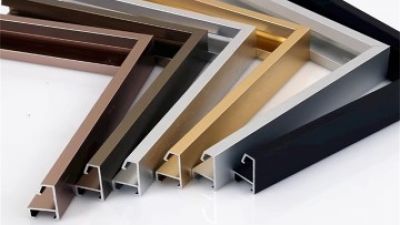
The hot-selling square rectangle alloy mirror frame made with aluminium extrusion profiles is garnering attention for its stylish appearance and exceptional durability. This innovative product not only enhances the aesthetic appeal of any space, but it is also designed with practicality in mind. The sleek lines and modern design of the alloy frame make it an ideal choice for various settings, from contemporary homes to upscale commercial spaces. Its minimalist look allows it to seamlessly blend with different interior styles, making it a versatile addition to any decor.

One of the standout features of this aluminium extruded frame is its robust metal composition, which provides a superior level of strength and resilience compared to traditional mirror frames. The use of high-quality alloy ensures that the frame can withstand the test of time, resisting wear and tear while maintaining its metallic luster. Additionally, the lightweight nature of aluminium allows for easy installation and repositioning, making it a favored choice among both designers and homeowners alike. Beyond mere functionality, this mirror frame serves as a statement piece that can elevate the overall ambiance of a room, showcasing the perfect balance between form and function.

FAQS

: What are the main advantages of aluminium extrusion profiles?

: Aluminium extrusion profiles are lightweight, strong, and resistant to corrosion, making them ideal for various projects, particularly in construction and manufacturing.

How does the lightweight nature of aluminium benefit transportation and handling?

The lightweight nature of aluminium reduces transportation costs and energy consumption during shipping, while also making handling easier, which lowers labor and machinery costs.

In what industries are aluminium extrusion profiles particularly useful?

Aluminium extrusion profiles are especially beneficial in industries with weight limitations, such as aerospace and automotive, due to their lightweight and strong properties.

How does aluminium's strength compare to its weight?

Aluminium has impressive strength relative to its weight, allowing for the creation of durable structures that can withstand various stresses and loads without compromising performance.

What contributes to the cost efficiency of aluminium extrusions?

Aluminium extrusions minimize waste during production, reduce the need for secondary operations like cutting or machining, and lower long-term maintenance costs, leading to overall savings.

What is the recycling potential of aluminium and its environmental impact?

Aluminium has a high recycling potential, requiring only 5% of the energy needed to produce new aluminium, significantly reducing energy consumption and greenhouse gas emissions.

How does aluminium contribute to sustainability in construction?

By incorporating aluminium extrusions, projects support a closed-loop system where materials are continuously recycled and reused, minimizing waste and environmental impact.

What role does aluminium's natural oxide layer play in its application?

The natural oxide layer on aluminium protects it from moisture and chemicals, enhancing its corrosion resistance and making it suitable for outdoor applications in harsh environments.

Why is the long lifecycle of aluminium significant?

Aluminium has a long lifecycle, allowing over 75% of all aluminium produced to still be in use today, promoting durability and sustainability in various applications.

How do aluminium extrusions enhance budget considerations for projects?

By reducing immediate material and production costs while offering lower long-term maintenance needs, aluminium extrusions establish a foundation for sustained cost efficiency throughout a project's lifecycle.

Conclusion

Aluminium extrusion profiles have become an essential choice in modern engineering projects due to their numerous benefits. Characterized by their lightweight nature, exceptional strength, and inherent corrosion resistance, these profiles provide optimal solutions for various applications. Cost efficiency is another significant advantage, as aluminium extrusions can help reduce production costs while maintaining high-quality standards. Additionally, the sustainability of aluminium is noteworthy; it boasts impressive recycling potential, contributing positively to environmental considerations.

Furthermore, the versatility of aluminium extrusion profiles allows for extensive customization, making them suitable for a wide range of industry applications, from construction to automotive. As advancements in technology continue, future trends in aluminium extrusion processes promise innovative improvements that will further enhance their applicability and performance. Overall, choosing aluminium extrusion profiles for your next project ensures a combination of functionality, sustainability, and cost-effectiveness.

Oliver

Oliver

Oliver is a dedicated marketing professional at Foshan Kaiya Aluminum Co., Ltd., where he leverages his expertise to promote the company's robust portfolio of aluminum products. With a deep understanding of the industry, Oliver is passionate about showcasing the innovative features and advantages......
Previous Trends in Aluminum Mirror Frame Manufacturing for 2025 and Beyond