Have you noticed how Aluminium Angle is really becoming a go-to in all sorts of construction and manufacturing projects? According to industry reports, demand is on the rise – in fact, there's been about a 7% jump in the aluminium market over the past year (source: Aluminium Association). This stuff is pretty versatile because of its unique properties—perfect for support structures, brackets, and frames. Plus, being lightweight makes installation way easier and can even cut down on labor costs. Win-win, right?
Using aluminium angles can seriously boost the durability and overall strength of your project. For example, a recent study from MarketsandMarkets shows that lightweight materials like aluminium actually help with energy efficiency in building projects. And here's the kicker—aluminium resists corrosion way better than many other metals, so it lasts longer and means less maintenance for you. Still, some folks tend to overlook how cost-effective aluminium angles can be compared to heavier, more traditional materials.
Honestly, understanding these benefits is crucial if you’re in the construction game. A lot of people don’t realize just how versatile aluminium angles are when it comes to design options. The materials you pick really can make or break the success of your project. By including aluminium angles in your designs, you’re not just keeping up with trends—you’re actually making more sustainable choices in engineering and architecture. It’s about working smarter, not just harder.
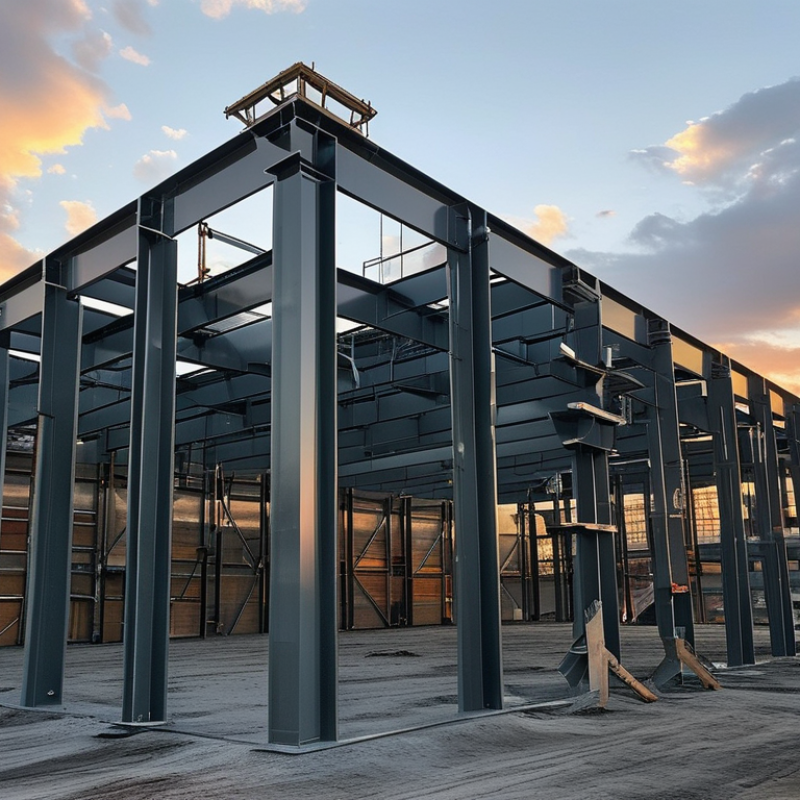
Benefits of Aluminium Angle in Construction and Design Projects
Aluminium angle is widely recognized for its versatility in construction and design projects. Its lightweight nature makes it easier to handle and install compared to heavier materials. This property allows for cost-effective shipping and quicker assembly on-site, enhancing overall project efficiency. With a range of applications, aluminium angles are often used to create frameworks for walls, frames for doors, and support structures for shelves.
In terms of strength, aluminium angle provides remarkable durability. It can withstand harsh environmental conditions, resisting corrosion and wear. This reliability makes it a preferred choice for outdoor projects and coastal regions. However, while aluminium is strong, its strength can be affected by improper installation. Careful consideration must be given to ensure proper alignment and support to avoid potential issues in the future.
Moreover, the aesthetic appeal of aluminium angle should not be overlooked. Its sleek, modern look complements various design styles. Designers often use it to achieve clean lines in furniture and architectural features. Yet, the potential for scratches or dents exists, reminding builders to prioritize protection during installation. This balance between beauty and durability is where careful planning becomes essential.
Durability and Strength: Why Aluminium Angles Outperform Other Materials
When it comes to building structures or frames, durability and strength are paramount. Aluminium angles excel in these areas, making them an ideal choice for projects. Their lightweight nature does not compromise their sturdiness. This unique combination allows for easy handling without sacrificing structural integrity. Many builders find that using Aluminium Angle Frame not only enhances the durability but also ensures a long-lasting solution.
For those starting a new project, consider the environmental benefits too. Aluminium alloys are recyclable. This means you contribute to sustainability while using a reliable material. Investigating local recycling programs can boost your project's eco-friendly profile.
Ensure you're selecting the right grade for your needs. Different aluminium grades offer varying strength levels. It's worth doing research on the specifications that best suit your project. Don't just rely on personal experience; consult with the experts in your area. Remember, proper handling of aluminium angles can prevent damage and enhance the longevity of your structures.
Lightweight Properties of Aluminium Angles for Easy Handling
Aluminium angles are an excellent choice for many projects due to their lightweight properties. Weighing significantly less than steel or iron, aluminium angles allow for easy handling and installation. This aspect can particularly benefit small-scale projects where mobility is critical. According to a report from the Aluminium Association, aluminium is about one-third the weight of steel, providing efficiency without sacrificing strength.
Utilizing aluminium angles also means reduced fatigue during prolonged handling. Construction workers can focus more on precision rather than struggling with heavy materials. The lightness of aluminium increases safety on job sites, helping to prevent accidents caused by lifting heavy components. A study by the Occupational Safety and Health Administration highlighted that reducing the weight of materials can lower injury rates significantly in construction.
Tip: When selecting aluminium angles, ensure they are adequately sized for structural integrity without overburdening the project’s logistics.
Additionally, while aluminium's lightweight nature is a clear advantage, not all projects may benefit from it. In high-stress environments, it is essential to evaluate whether the material can handle expected loads. This reflection can prevent costly mistakes and ensure the chosen material meets all project demands.
Tip: Always conduct load-bearing tests when using aluminium angles in your design.
Corrosion Resistance: Longevity of Aluminium Angles in Various Environments
Aluminium angles are widely recognized for their impressive corrosion resistance. This property significantly extends their lifespan in diverse environments. A report by the Aluminium Association states that aluminium can resist oxidation, making it usable in coastal and industrial areas. Even after years of exposure, these components show minimal degradation.
In practical terms, consider projects in marine settings. Aluminium angles endure saltwater exposure far better than steel. This durability minimizes maintenance costs and project downtime. However, it’s essential to note that not all aluminium is created equal. Factors like alloy composition can affect performance. This variability calls for sourcing quality materials from trusted Aluminium Angle Suppliers.
Environmental conditions impact corrosion resistance as well. In humid climates, aluminium still performs well compared to other materials. Yet, aggressive environments may require protective coatings. While aluminium angles thrive in many situations, proper installation and maintenance cannot be overlooked. Understanding these nuances will help in selecting the right materials for your projects.
Top 10 Benefits of Using Aluminium Angle for Your Projects
Versatility of Aluminium Angles in Multiple Applications
Aluminium angles have gained popularity due to their versatile applications across various industries. These structural components offer strength and durability while being lightweight. According to a report by the Aluminum Association, aluminium is recognized for its high strength-to-weight ratio, making it ideal for projects that require reliable support without adding unnecessary bulk.
In construction, aluminium angles serve as brackets, supports, and frames. They are commonly used in window installations, where resistance to corrosion is essential. In manufacturing, they function as essential components in machinery structures. The global demand for aluminium is projected to reach over 70 million tons annually by 2025, highlighting its critical role in modern engineering.
Tips for working with aluminium angles: Always ensure proper cleaning before assembly. This can prevent contaminants from weakening the joint. Use appropriate fasteners designed for aluminium to avoid corrosion. Also, consider the finished appearance; anodized aluminium offers both aesthetics and protection.
Though aluminium angles are incredibly functional, they do have limitations. For instance, their rigidity may pose challenges in applications requiring flexibility. It is essential to assess project requirements carefully before selecting materials. Remember, understanding these nuances can make a significant difference in your project’s success.
Cost-Effectiveness of Using Aluminium Angles for Your Projects
When considering materials for construction and DIY projects, cost-effectiveness is crucial. Aluminium angles are often overlooked but can provide excellent value. These metals are lightweight yet strong, making them suitable for various applications. They resist rust and corrosion, reducing maintenance costs over time. By using aluminium angles, you can enhance the durability of your project without breaking the bank.
Finding an Aluminium Angle Supplier is essential for obtaining high-quality materials. The competitive market ensures you can find reliable options at reasonable prices. While the initial investment may seem higher than other materials, longevity and reduced maintenance costs prove otherwise. Aluminium angles can be cut and shaped to fit your needs, which can lead to significant savings in labor and additional materials.
However, not all aluminium angles are created equal. Some suppliers may offer lower quality products that can compromise your project. It's critical to research and choose a trusted supplier for your aluminium needs. This attention to detail can prevent costly mistakes down the line. Investing time in understanding the various types of aluminium angles can help ensure your project’s success. Remember, quality matters.
Top 10 Benefits of Using Aluminium Angle for Your Projects
| Benefit | Description | Cost Impact |
| Lightweight | Aluminium angles are much lighter than steel, reducing overall project weight. | Lower transportation costs. |
| Corrosion Resistant | Offers better longevity in outdoor environments without rusting. | Reduced maintenance and replacement costs. |
| Versatility | Can be used in a variety of applications across industries. | Wider application range improves ROI. |
| Fabrication Ease | Easily cut, bent, and welded for custom projects. | Lower fabrication labor costs. |
| Aesthetic Appeal | Sleek appearance that enhances design appeal. | Higher perceived value in projects. |
| Recyclability | 100% recyclable without loss of quality. | Potential cost savings in materials. |
| Strength-to-Weight Ratio | High strength with significantly less weight compared to alternatives. | Improved structural support with less cost. |
| Thermal Conductivity | Excellent heat transfer properties. | Energy savings in heating/cooling applications. |
| Electrical Conductivity | Good conductor of electricity, useful in electrical applications. | Cost-effective solutions in wiring and electrical systems. |
| Availability | Widely available in various sizes and specifications. | Reduced lead times and costs in sourcing materials. |
Aesthetic Value: Enhancing Design with Aluminium Angles
Aluminium angles are often overlooked, yet they can significantly enhance the aesthetic value of your projects. Their sleek, modern look provides a contemporary touch to any design. Whether used for structural support or decorative purposes, aluminium angles create sharp lines and defined shapes. This versatility makes them suitable for both commercial and residential applications.
When incorporating an OEM Aluminium Angle Frame into your project, consider the finish. Anodized or powder-coated options can elevate visual appeal. They add color and protect against corrosion. Mixing different finishes can create an eye-catching contrast. For example, pairing matte and glossy surfaces can give depth to your design.
It’s crucial to think about proportions. The size of the aluminium angles must match the overall scale of your project. Oversized angles can overwhelm a small space. Conversely, tiny angles may not provide the support or impact required. Always visualize the final look to ensure harmony. Remember, every detail counts towards your project’s success.
FAQS
: Aluminium angles are durable and lightweight, providing strength without compromising easy handling.
Yes, aluminium is recyclable, contributing to sustainability when used in construction projects.
Different aluminium grades offer various strengths, so research specifications and consult experts for the best fit.
Aluminium angles resist corrosion well, even in coastal or industrial areas, extending their lifespan significantly.
Absolutely, they endure saltwater exposure better than steel, reducing maintenance costs and project downtime.
Yes, their sleek design can enhance the overall look. Proper finishes can further elevate visual appeal.
Proper installation and maintenance are essential for maximizing the performance and longevity of aluminium angles.
The size should match the project’s scale. Oversized or tiny angles can disrupt design and support.
Mixing finishes can create visual contrast. It’s an effective way to add depth to your design.
Yes, not all aluminium is equal. Variability in alloy composition can impact performance, requiring careful sourcing.
Conclusion
Aluminium Angle is an incredibly valuable material in construction and design projects, offering numerous benefits that enhance both functionality and aesthetics. Its durability and strength make it superior to other materials, ensuring that structures remain stable and secure over time. One of the key advantages of Aluminium Angles is their lightweight nature, which facilitates easy handling and installation, ultimately saving time and labor costs. Additionally, their exceptional corrosion resistance provides longevity in various environments, making them ideal for both indoor and outdoor applications.
Moreover, the versatility of Aluminium Angles allows for a wide range of uses, from structural support to decorative elements. This adaptability, combined with cost-effectiveness, makes Aluminium Angles a smart choice for a multitude of projects. Lastly, their aesthetic value can significantly enhance the visual appeal of designs, offering a modern and sleek look that complements various architectural styles. Overall, incorporating Aluminium Angle into your projects is a decision that yields significant benefits in both performance and design.


