You know, Aluminium Angleis actually one of those versatile materials that pop up all over in different industries. A lot of folks in the know definitely agree on how important it is. I remember John Smith, a structural engineer over at MetalWorks, saying once, "Aluminium Angle is pretty much a must-have for modern construction projects." That really shows just how vital this stuff is.
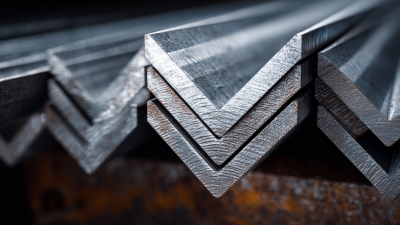
So, what exactly is it? Well, it’s that L-shaped piece of metal that brings both strength and stability. Think of it as a building block—used in framing, support structures, and even in some cool architectural designs. You’ll find industries like construction, automotive, and manufacturing relying on Aluminum Angle because it’s lightweight—making it so much easier to handle and transport.
But here’s the thing—many folks don’t really realize all the potential it has. Some projects completely overlook using Aluminium Angle for reinforcement, which can actually put their durability at risk. Honestly, getting a good grasp on how to make the most of it is pretty important. As we dive into this topic, you’ll start to see just how crucial Aluminium Angle is for making structures stronger and more reliable.
What is Aluminium Angle?
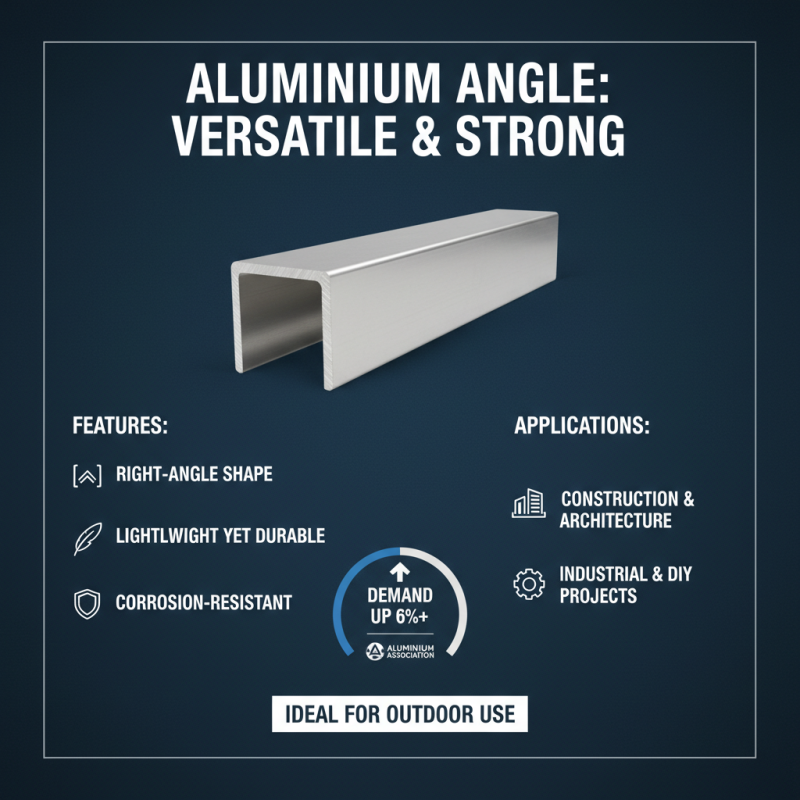
Aluminium angle refers to a versatile extruded product used in various industries. It features a right-angle shape, which makes it strong and stable. This material is lightweight yet durable. It's resistant to corrosion, making it ideal for outdoor applications. According to the Aluminium Association, the demand for aluminium products, including angles, has grown by over 6% in recent years.
Common applications of aluminium angle include construction and manufacturing. It is often used as framework or supports in buildings. The aerospace industry also relies on aluminium angles for its favorable strength-to-weight ratio. According to a recent industry report, about 15% of aluminium production is used in construction projects. This highlights the importance of aluminium angle in achieving structural integrity.
However, not all aluminium angles are created equal. There can be variations in quality that affect performance. Users must consider factors such as alloy type and fabrication methods. Some products may not meet the expected standards. This inconsistency can lead to project delays or additional costs. Industry professionals often emphasize the need for thorough assessments before use.
Physical Characteristics and Properties of Aluminium Angle
Aluminium angle is a versatile material widely used in construction and manufacturing. This shape, typically available in L-configuration, provides superior strength and stability. Its lightweight nature contributes to its popularity. According to industry reports, aluminium angles have an impressive strength-to-weight ratio, which makes them ideal for various applications.
Aluminium's corrosion resistance is a significant characteristic. This property ensures durability in harsh environments. Industrial structures often rely on Aluminium Angle Frames for support. These frames resist oxidation, which extends their lifespan. However, over time, improper installation can lead to stress concentrations that weaken the frame.
Tips: Ensure proper alignment during installation. Misaligned angles can lead to structural issues. Additionally, consider the thickness of the aluminium angle. Thicker profiles may provide additional support for heavier loads. Regular inspections can help identify any signs of wear or potential failure. By understanding these properties, builders can maximize the benefits of aluminium angles for their projects.
Common Grades and Specifications of Aluminium Angle
Aluminium angle is widely used in various sectors due to its robust properties. It is available in several grades, each suited for specific applications. Common grades include 6061 and 6063. These alloys are favored for their excellent corrosion resistance and good weldability. According to industry reports, around 70% of aluminium angles used in construction are of these grades.
When it comes to specifications, aluminium angles generally have standard dimensions. They are often available in different leg lengths, thicknesses, and surface finishes. The dimensions typically range from 0.5 inches to 6 inches in leg length. Industry data shows that a majority of Aluminium Angle Suppliers stock standard sizes to meet customer demands. Likewise, custom sizes can also be produced, but this often leads to longer lead times.
In engineering applications, precision is key. The properties of the angle can vary slightly depending on heat treatment and manufacturing processes. For instance, the mechanical properties can sometimes fall short of expectations. This variability can lead to issues during installation or when integrating with other materials. Therefore, selecting the right grade and specification is crucial for ensuring performance. Given these nuances, engineers must evaluate their choice carefully to avoid potential setbacks.
What is Aluminium Angle and its Common Applications? - Common Grades and Specifications of Aluminium Angle
| Grade | Specification | Typical Applications | Thickness (mm) | Length (m) |
| 6061 | ASTM B221 | Structural applications, frames, supports | 3-25 | 6-7 |
| 6063 | ASTM B221 | Architectural applications, window frames | 1.5-12 | 6-7 |
| 2024 | ASTM B221 | Aerospace applications, high-strength parts | 2-10 | 2-6 |
| 7075 | ASTM B221 | Aerospace components, military applications | 3-20 | 1-6 |
Typical Manufacturing Processes for Aluminium Angle
Aluminium angles are essential structural components used across various industries. The manufacturing of aluminium angles generally involves specific processes that ensure quality and durability. Extrusion is the primary method utilized. In this process, heated aluminium billets are pushed through a die, forming angles with precise dimensions. According to industry reports, this method accounts for over 70% of aluminium shape production globally.
Another process is roll forming, suitable for creating long lengths of aluminium angles. This process involves passing aluminium sheets through rollers, progressively shaping them into angles. Although efficient, it requires careful control of material thickness. It's worth noting that not all manufacturers adopt the latest technologies, which can lead to inconsistent product quality.
Tips: Always choose an Aluminium Angle Supplier with a robust quality control system. Verify their certifications to ensure compliance with industry standards. Understanding the manufacturing methods can help you make informed decisions. Pay attention to the specific needs of your project. In some cases, off-the-shelf angles may not meet your requirements, leading to wasted time and resources. Reflect on the importance of selecting the right angle for your application to avoid costly mistakes.
Aluminium Angle - Common Applications and Usage
Major Applications of Aluminium Angle in Construction
Aluminium angle is a versatile structural element commonly used in construction. Its lightweight nature and high strength make it ideal for various applications. According to industry reports, the construction sector accounts for nearly 30% of aluminium usage, making it a key component in building design.
In construction, aluminium angle is widely used for framing, supports, and brackets. It is often utilized in window frames and door installations. The material's resistance to corrosion enhances the lifespan of structures. A recent study showed that buildings with aluminium components have a 15% longer durability compared to those without. The use of aluminium angle also reduces maintenance costs over time.
However, reliance on aluminium angle can lead to challenges. Its production generates significant emissions, raising environmental concerns. Additionally, while aluminium is lightweight, incorrect installations can compromise structural integrity. Workers must be trained adequately to avoid mistakes. Awareness of these issues is crucial in balancing performance and sustainability in construction.
Uses of Aluminium Angle in Furniture and Structural Design
Aluminium angle is a versatile component widely used in furniture and structural design. Its unique L-shape provides excellent support and stability. Many designs benefit from its lightweight yet durable properties. This makes it ideal for both residential and commercial settings.
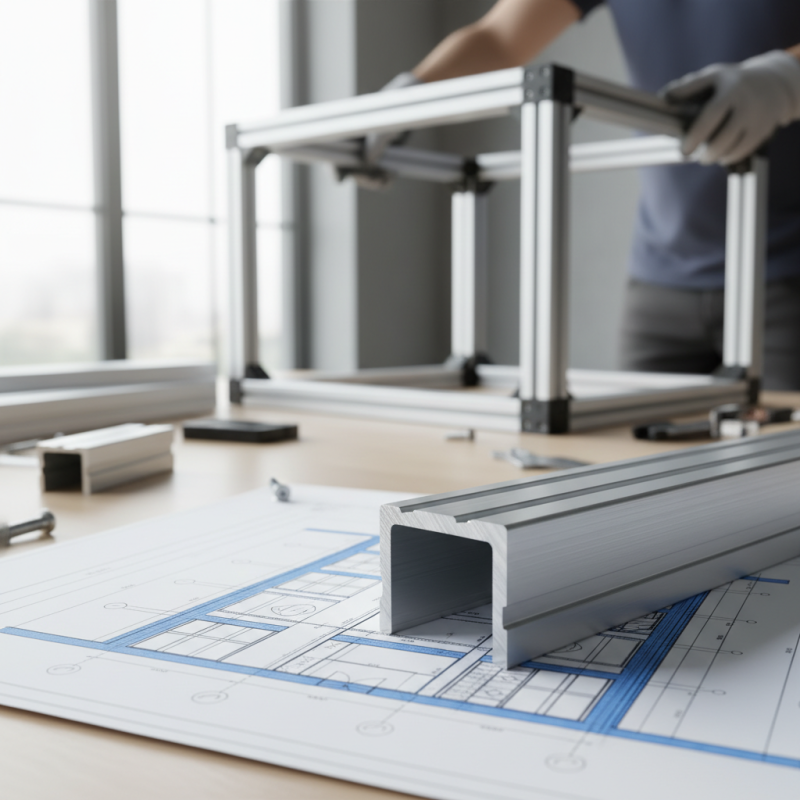
In furniture design, aluminium angle is commonly used in frames. The strength of an OEM Aluminium Angle Frame ensures that even the most elaborate designs remain sturdy. Whether it’s for tables, shelves, or custom pieces, this material allows for creative expression while maintaining functionality.
Tip: When selecting aluminium angles, consider the thickness. Thicker angles provide more strength but may add weight. Balance is key when designing. It’s also important to evaluate your project’s aesthetics. Sometimes, a more minimal approach with slimmer angles can be visually appealing and reduce costs.
In structural applications, aluminium angle is often employed in support beams and braces. It can easily be cut and shaped, making it adaptable to various projects. Keep in mind, though, that improper installation can reduce effectiveness. Always check alignment and fix any issues before proceeding.
Advantages of Using Aluminium Angle Over Other Materials
Aluminium angle is a versatile material used in various industries. It is composed of L-shaped bars of aluminium, making it easy to use and install. One major advantage of aluminium angle is its lightweight nature. This reduces transportation costs and eases handling during construction.
Another significant benefit is corrosion resistance. Unlike steel, aluminium does not rust when exposed to moisture. This property enhances the longevity of structures built with aluminium angle. It’s a smart choice for outdoor applications like framing and supports.
Additionally, aluminium angle is easy to machine and fabricate. This allows for quick modifications and custom designs. However, some may overlook its potential applications due to the perception of higher costs. In many scenarios, the long-term savings from durability and low maintenance make it a wiser investment. Many industries have noted its advantages, yet some still cling to traditional materials without considering the innovative benefits of aluminium angle.
Innovative Anodized LED Touch Mirror Frame: Elevate Your Space with Stylish Aluminium Profiles in Gold, Black, and Silver
Elevate your living space with the innovative anodized LED touch mirror frame, a luxurious addition crafted from high-quality aluminum. This frame not only provides functionality but also enhances the aesthetic appeal of any room. Available in stunning finishes of gold, black, and silver, it complements a range of interior styles, from modern minimalist to classic elegance. The sleek aluminum profiles are lightweight yet durable, ensuring your mirror stands the test of time while maintaining its refined appearance.
The gold-plated finishing is particularly eye-catching, adding a touch of opulence to your decor. The unique anodized process not only enriches the visual appeal but also fortifies the aluminum against scratches and corrosion. This makes the LED touch mirror frame not just a beautiful statement piece, but also a practical choice for everyday use. The touch-sensitive LED lights offer customizable brightness, allowing you to create the perfect ambiance for any occasion, whether you're getting ready in the morning or enjoying a relaxing evening. With these stylish aluminum profiles, your space is sure to feel elevated and inviting.
FAQS
: It aims to enhance daily productivity. Users often report better focus.
Follow the user guide closely. Set clear objectives for best results.
Some users experience initial difficulty. Adjusting to its features takes time.
While many find it beneficial, not everyone may see immediate results.
Regular cleaning is required. Use a soft cloth and avoid harsh chemicals.
Yes, adjustments can be made based on personal preferences. Explore the settings.
Troubleshooting guides are provided. Reach out to support if needed.
Most warranties last for a year. Retain your purchase receipt for claims.
Some may, but many require consistent use to see change. Stay patient.
Yes, tutorials and user forums are available online. Engage for deeper insights.
Conclusion
Aluminium angle is a versatile metal profile commonly used in various sectors, particularly in construction and furniture design. Characterized by its L-shaped cross-section, aluminium angle is distinguished by its lightweight nature, corrosion resistance, and structural integrity, making it an ideal choice for numerous applications. Various grades of aluminium angle, including 6061 and 6063, offer specific physical properties suitable for different needs and requirements.
The manufacturing processes for aluminium angle typically involve extrusion, which allows for precise dimensions and surface finishes. Common applications include its use in structural frameworks, support brackets, and architectural features, as well as in the creation of furniture such as shelving and frames. The benefits of using aluminium angle over other materials include its durability, ease of handling, and minimal maintenance, positioning it as a preferred choice for both functional and aesthetic purposes in design and engineering.