You know, when it comes to versatile materials, Aluminium Anglereally stands out. It’s used all over the place — in construction, auto industries, manufacturing… you name it. And get this: a recent report from the International Aluminium Association predicts that the demand for Aluminium Angle is gonna keep growing at about 4.5% each year until 2026. That’s pretty impressive, indicating just how much we’re leaning on this stuff for all sorts of projects.
John Smith from Aluminium Solutions Inc., who’s quite the expert in aluminium applications, mentions, “Aluminium Angle is basically the backbone of structural stability in many applications.” That really highlights how crucial this material is in modern engineering today.
But honestly, a lot of companies still don’t realize just how much potential Aluminium Angle has. It’s lightweight yet super strong — a perfect combo — but somehow, many still overlook it. We really should start recognizing its role in sustainable architecture and innovative designs. Using this material more could open up some exciting possibilities, but it honestly takes a change in perspective to make the most of it.

Overview of Aluminium Angles and Their Characteristics
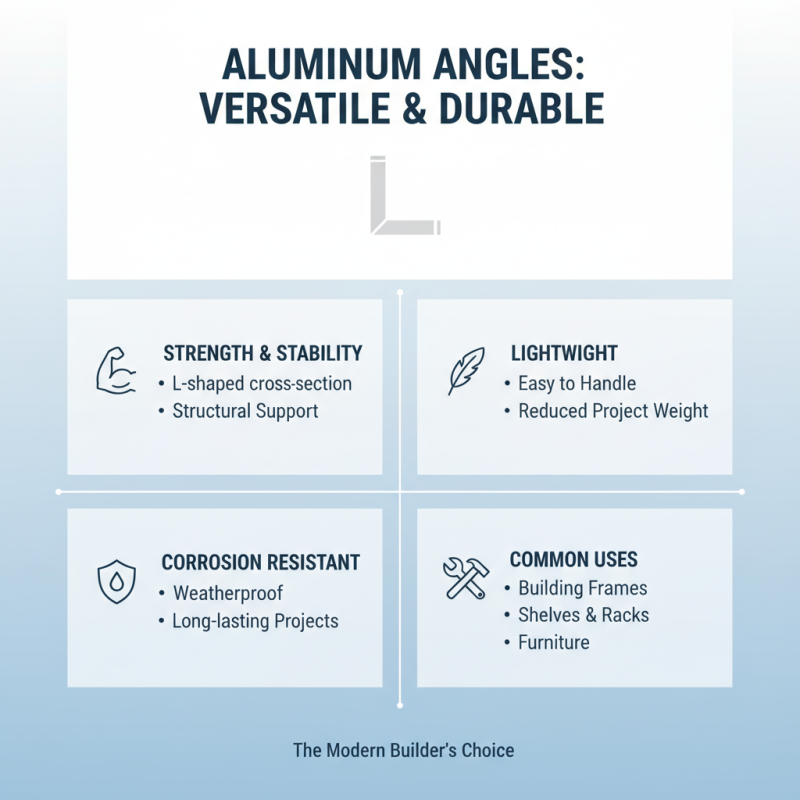
Aluminium angles are versatile structural components used in many industries. They come in L-shaped cross-sections, providing strength and stability. Their lightweight nature makes them easy to handle. You can find them in building frames, shelves, and furniture. The corrosion resistance of aluminium is a significant advantage. This durability increases the longevity of projects.
One characteristic of aluminium angles is their high strength-to-weight ratio. This makes them ideal for applications where both strength and weight matter. However, many may overlook the need for precise measurements. If angles are cut inaccurately, structural integrity can suffer. Proper design and planning are essential for maximizing their benefits.
Despite their advantages, aluminium angles can be challenging to weld. This aspect might require skilled labor. Not everyone realizes the importance of experience in working with these materials. Choosing the right alloy also impacts performance. It’s essential to select angles that suit specific project requirements. That can be confusing, especially for new users.
Key Applications of Aluminium Angles in Construction
Aluminium angles play a crucial role in construction. They provide structural support for various projects. These angles are often used in frames, providing strength and stability. The lightweight nature of aluminium makes handling easier. Workers can move these components without much effort. This is especially beneficial on large job sites.
One key application is in building frameworks. Aluminium Angle Frames are used in wall structures and support beams. They help to distribute loads evenly, ensuring safety. Additionally, these angles can resist corrosion, making them ideal for outdoor use. However, their aesthetic appeal often gets overlooked. Construction teams should consider how these angles can enhance the visual aspect of a building.
Despite their advantages, some challenges arise. Welding aluminium can be tricky. It requires specific skills and tools. Not everyone on site may be familiar with them. This can lead to delays, which is frustrating. Projects might run over time as teams adjust. Nevertheless, with proper training, many of these issues can be mitigated. Finding the right balance between efficiency and quality is key.
Usage of Aluminium Angles in Automotive Manufacturing
Aluminium angles are becoming increasingly vital in automotive manufacturing. They are lightweight yet strong, making them ideal for various applications. According to a recent industry report, the use of aluminium in vehicles can reduce weight by 30%. This weight reduction leads to improved fuel efficiency and lower emissions.
In automotive chassis and support structures, aluminium angles offer excellent strength and corrosion resistance. They are often used in engine mounts, kick panels, and cross members. The growing trend towards electric vehicles (EVs) further amplifies the demand for lightweight materials. EV manufacturers are exploring every avenue to enhance performance and driving range.
However, the transition to aluminium angles is not without challenges. Joining techniques can be more complex compared to traditional materials. This requires a rethink in manufacturing processes. As companies adapt, there's a learning curve that can slow down production at times. Overall, the integration of aluminium angles is a balancing act of innovation and efficiency in the automotive sector.
Benefits of Aluminium Angles in Aerospace Engineering
Aluminium angles play a crucial role in aerospace engineering due to their lightweight and high strength-to-weight ratio. The Federal Aviation Administration (FAA) states that using lightweight materials can enhance fuel efficiency by over 10%. This reduction is vital for reducing operational costs and emissions, a priority in modern aviation. Structures made with aluminium angles can withstand high stress while maintaining integrity, making them ideal for aircraft components.
Tips: When selecting materials, look for suppliers who specialize in lightweight alloys. They often provide tailored solutions for aerospace needs.
Aluminium angles also offer corrosion resistance, enhancing durability in harsh environments. The American Institute of Aeronautics and Astronautics (AIAA) reports that corrosion-resistant materials can extend the lifespan of aircraft components significantly. However, not all aluminium angles have the same quality. It's essential to assess the specifications provided by Aluminium Angle Suppliers before making a decision.
Ultimately, while aluminium angles provide many benefits, understanding how they fit into your specific application is crucial. The choice of angle dimensions and alloy types must align with the overall design goals. Evaluate your engineering requirements carefully and consult with experts in the field.
2026 Aluminium Angle Applications in Aerospace Engineering
Innovative Applications of Aluminium Angles in Architecture
Aluminium angles have found innovative applications in architecture, transforming how structures are designed and constructed. Their strength and lightweight properties make them ideal for various uses. For example, they can support intricate facade designs, ensuring durability while maintaining aesthetic appeal. This versatility allows architects to experiment with unique shapes and configurations.
In addition to structural use, aluminium angles serve decorative purposes. They can be used to create striking visual elements in buildings. However, the challenge lies in ensuring these elements blend well with their surroundings. Finding the right balance is crucial. An experienced Aluminium Angle Supplier can provide insights into the best practices for integrating angles into architectural projects.
When using aluminium angles, consider the finish options available. Anodized or powder-coated finishes can enhance the appearance and lifespan of the angles. Proper installation is also essential. Mistakes can lead to warping or structural issues, which can be tough to fix later. Engaging with experts in aluminium applications can help mitigate these risks and ensure successful outcomes.
Sustainability and Recyclability of Aluminium Angles
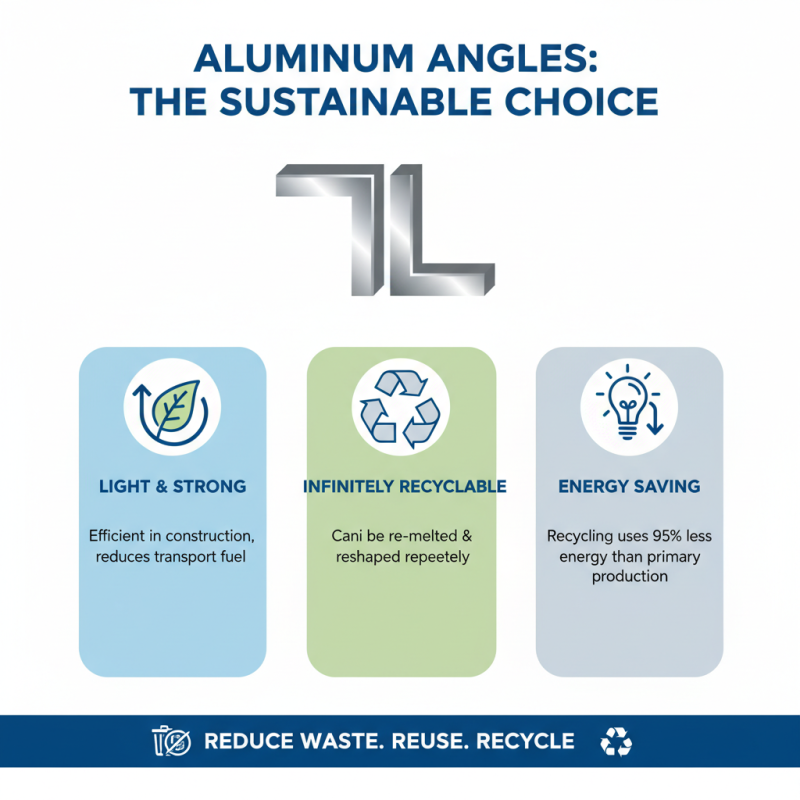
Aluminium angles are becoming popular due to their sustainable nature. They are lightweight and strong. Their recyclability sets them apart from many materials. Recycling aluminium saves energy and reduces waste. When the metal is recycled, it can be reused in numerous applications. This makes aluminium angles an environmentally friendly choice.
Diving deeper, the life cycle of aluminium is impressive. It can be recycled indefinitely without loss of quality. This property encourages industries to choose aluminium angles over other materials. However, some challenges exist. Not all aluminium is recycled properly, leading to energy wastage. Ensuring efficient recycling processes is crucial.
**Tip:** Always check local recycling programs. Recycling efforts should be supported by communities. A greater understanding enhances participation. Awareness leads to more sustainable practices. Implementing aluminium angles in projects is not just a benefit; it’s a responsibility. They can drive innovation while promoting environmental health.
Comparing Aluminium Angles with Other Materials in Industry
Aluminium angles are widely used in construction and manufacturing, offering unique advantages. They are lightweight yet incredibly strong. This makes them suitable for various applications. Compared to steel, aluminium does not corrode easily. This property reduces maintenance needs. However, aluminium can be more expensive than steel for larger projects.
When considering aluminium angles versus other materials, weight plays a critical role. For example, aluminium is easier to handle. This can lead to lower labor costs. On the flip side, some industries still prefer steel for its toughness. OEM Aluminium Angle Frame provide reliable solutions but may not fit every application. The decision often hinges on specific project requirements.
In many cases, choosing the right material is not straightforward. The choice between aluminium and other materials depends on factors like budget, strength, and weight. Some may overlook how properties such as thermal conductivity can affect performance. Each material has its pros and cons, requiring careful thought before making a decision. The right application isn't always clear-cut.
A Comprehensive Guide to Choosing and Using the Aluminium Brushed Rectangle High Quality Mirror Frame for Your Home Decor
When it comes to enhancing your home decor, a high-quality mirror can dramatically transform a space. The Aluminium Brushed Rectangle High Quality Mirror Frame stands out due to its sleek design and durability. Made from metal, this mirror frame not only offers aesthetic appeal but is also corrosion-resistant and robust, making it suitable for various environments. According to a report by the Global Mirror Market, the demand for durable and stylish mirror frames has seen a consistent growth of 5.6% annually, highlighting their importance in home interior design.
Choosing the right mirror frame involves considering both functionality and design. The Aluminium Brushed finish provides a modern touch that can complement multiple decor styles, from contemporary to rustic. Industry experts suggest that integrating mirrors into your decor can create an illusion of more space, particularly in smaller rooms. Moreover, strategically placing mirrors can enhance natural light, making interiors feel brighter and more inviting. The growing trend toward minimalism in design emphasizes simple yet effective solutions, and a well-chosen mirror can serve as both a functional object and a statement piece.
Incorporating mirrors into your home not only elevates your aesthetic but also impacts the ambiance of your living space. The versatility of the Aluminium Brushed Rectangle Frame allows homeowners to explore various placements, whether in living rooms, hallways, or bathrooms. As research by the Interior Design Society indicates, well-placed mirrors can increase the perceived size of a room by up to 20%, making them an essential element for both visual appeal and practical use in modern home decor.
FAQS
: The product aims to enhance daily life and productivity. It offers various features suited for convenience.
Follow the manual for setup. Practice with different features to understand their functions better.
Yes, like any device, it may encounter issues. Regular maintenance can help prevent this.
Generally, it's safe. However, check for specific health considerations before use.
Customer service is available for questions or problems. Don’t hesitate to reach out.
Yes, many online forums exist. Engaging with others can provide valuable insights and support.
Explore all features, and don't be afraid to experiment. Reflect on what works best for you.
Yes, updates can enhance performance. Ignoring them may lead to missed improvements.
Users often skip the manual. This can lead to confusion and underutilization of features.
Yes, customization is possible. Tailor settings to fit your specific needs for a better experience.
Conclusion
Aluminium angles are versatile structural components characterized by their L-shaped cross-section, which provides strength and stability. Their lightweight nature and resistance to corrosion make them ideal for a variety of applications across different industries. In construction, aluminium angles are commonly used for framing, supports, and bracing, providing essential structural integrity. The automotive sector utilizes aluminium angles for their strength-to-weight ratio, contributing to fuel efficiency without compromising safety.
In aerospace engineering, the benefits of aluminium angles are significant, as they aid in reducing the overall weight of aircraft while enhancing performance. In architecture, innovative uses of aluminium angles can be seen in modern designs, where they contribute both functional and aesthetic value. Moreover, the sustainability and recyclability of aluminium angles underscore their environmental benefits, making them a responsible choice in material selection. By comparing aluminium angles with other materials, their unique advantages in durability and performance become even more apparent, solidifying their place in various industrial applications.